Sturdy Built Foundation Tips for Log Cabins

A built foundation log cabin gains steady footing when the ground below is prepared with care. This approach keeps it secure for lasting comfort in the United Kingdom.
This guide presents key steps for a strong result. A thoughtfully built foundation log cabin avoids moisture issues and stands firm against wear.
Inhaltsverzeichnis
Key Takeaways
- Sturdy bases guard against shifting soil
- Proper drainage curbs rot and damp
- Quality groundwork reduces future maintenance
- Secure support boosts interior comfort
- Smart planning extends cabin lifespan
Understanding the Importance of a Strong Base
A cabin’s stability begins with a well-constructed platform. Sturdy footings keep your building steady, preventing warped floors or pesky draughts. That dependable start greatly reduces the threat posed by shifting ground. Solid groundwork also brings more confidence in the overall design, ensuring you can relax without worry.
Effects of an Inadequate Foundation
A fragile base can strain walls, trigger damage in essential support beams and allow moisture to seep in. Sloping floors may emerge, leading to squeaks or cracks in visible corners. These tiny flaws often become bigger, calling for expensive repairs later.
Long-Term Benefits of Building on Solid Ground
A durable base for any log cabin foundation means fewer maintenance bills and increased property value. Water stays where it belongs, shielding lower logs from damp threats and rot. Homeowners gain peace of mind, sensing that each board and beam stands protected against harsh weather and day-to-day strain.
Essential Tools and Materials
Creating a strong foundation begins by gathering items that form a reliable starting point. A good toolkit provides the backbone for any stable cabin base. Paying attention to material quality guarantees years of dependable service.
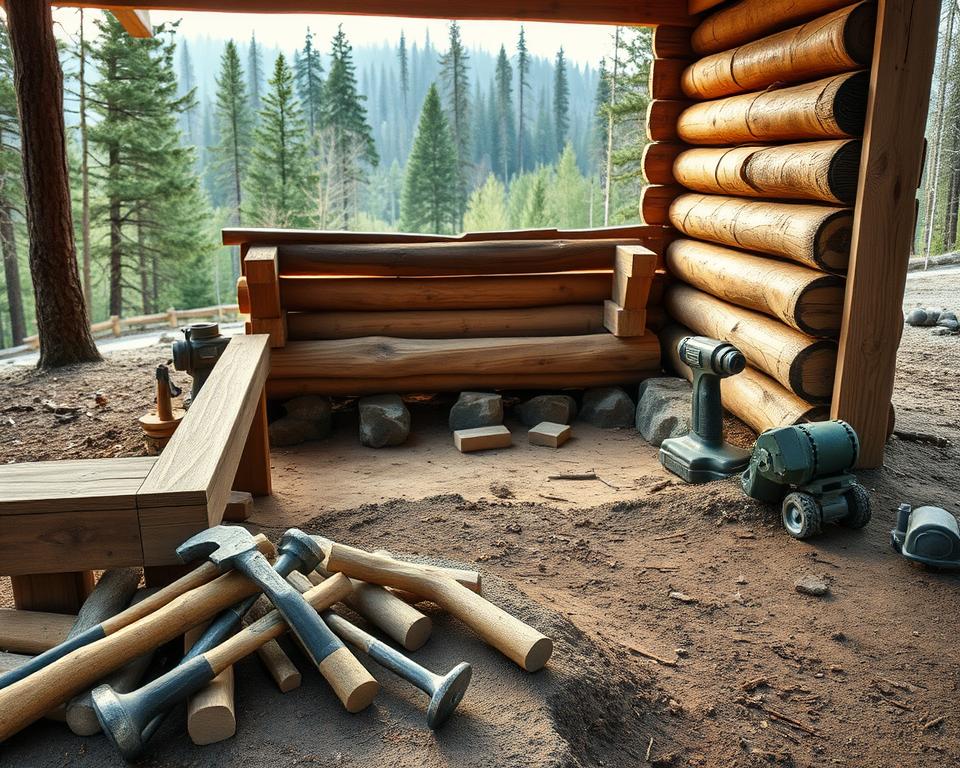
Equipment such as concrete mixers and shovels helps with thorough batching and placement. Laser levels ensure every part of the site remains even, while timber boards keep edges neat. Choosing pressure-treated wood for framing is vital, and construction-grade concrete adds robustness to support heavy log walls.
- Concrete mixers for correct proportions
- Laser levels for precise alignment
- Shovels for swift excavation
- Timber boards for crisp formwork
Procuring supplies from reputable British merchants fosters trust in durability. It is wise to prioritise materials that meet industry standards, as proper investment often prevents costly repairs. A stable cabin base stands firm when built with care and premium resources.
| Tool | Purpose |
|---|---|
| Concrete Mixer | Combines cement, sand, and aggregate efficiently |
| Shovel | Moves soil and concrete with reduced effort |
| Laser Level | Maintains consistent elevations across the site |
| Timber Boards | Shapes forms and keeps edges sturdy |
Why a built foundation log cabin Matters
A stable base keeps your cabin secure for years. A well-designed platform deters dampness, prevents sinking and promotes safer construction. This added support helps you feel confident in extreme conditions.
Sealing cracks and gaps around the base forms a shield against water infiltration. Reinforced layers offer protection as temperatures shift, and drainage channels guide excess moisture away from walls. These steps work alongside log cabin building tips that promote year-round comfort.
Boosting Structural Integrity
Reinforced footings combat wear and tear. A solid understructure resists warping, saving you from costly repairs. Sturdier frameworks also protect timbers from rot and decay, encouraging a much longer lifespan.
Enhancing Weather Resistance
A snug foundation blocks cold drafts and damp patches. Quick drainage routes reduce pooling, lowering the chance of mould. It all ensures a cosy interior, no matter what the forecast suggests.
- Seal exposed timber regularly
- Install clear drainage paths
- Apply robust reinforcement methods

| Foundation Focus | Key Advantage |
|---|---|
| Proper Sealing | Deters water damage |
| Drainage Channels | Guides moisture away |
| Reinforcement Layers | Stabilises overall structure |
Site Preparation and Groundwork
Unstable ground can disrupt any project from day one. Clearing the site and creating a stable base boosts the long-term performance of your structure. A tidy surface reduces shifting risks and sets the stage for a built foundation log cabin that endures variable weather.
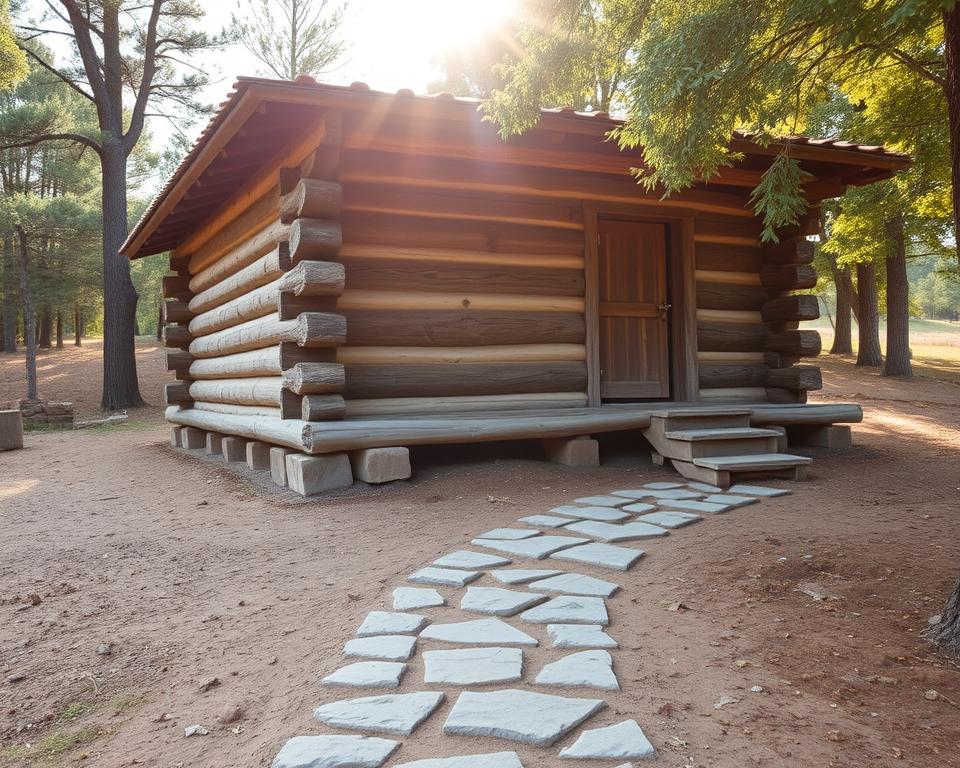
Draining water away from the work zone prevents pooling and erosion. Professional teams often rely on heavy-duty machinery from Caterpillar or JCB to remove rocks, roots and leftover debris. A soil assessment reveals if further grading is required, so the site remains even and robust.
- Check for underground utilities before digging.
- Remove unwanted vegetation to reduce structural obstructions.
- Compact loose soil layers for added support.
Every step in groundwork paves the way for a safer result. When the surface is firm and level, the entire building process moves forward with fewer setbacks. This helps protect your investment and allows you to focus on designing each log wall with confidence.
Choosing the Right Foundation Type
Every build begins with decisions that support solid construction. A log cabin foundation should match your cabin’s style and the ground it stands on. British weather patterns can be unpredictable, so it pays to plan carefully and choose a design capable of handling forces like shifting soil and moisture.
Some folks opt for modern techniques, while others embrace traditional approaches. Both strategies bring value if done with care and proper guidance. Mixing classic rubble trench footings with innovative engineering often yields a result that stands firm through the seasons.
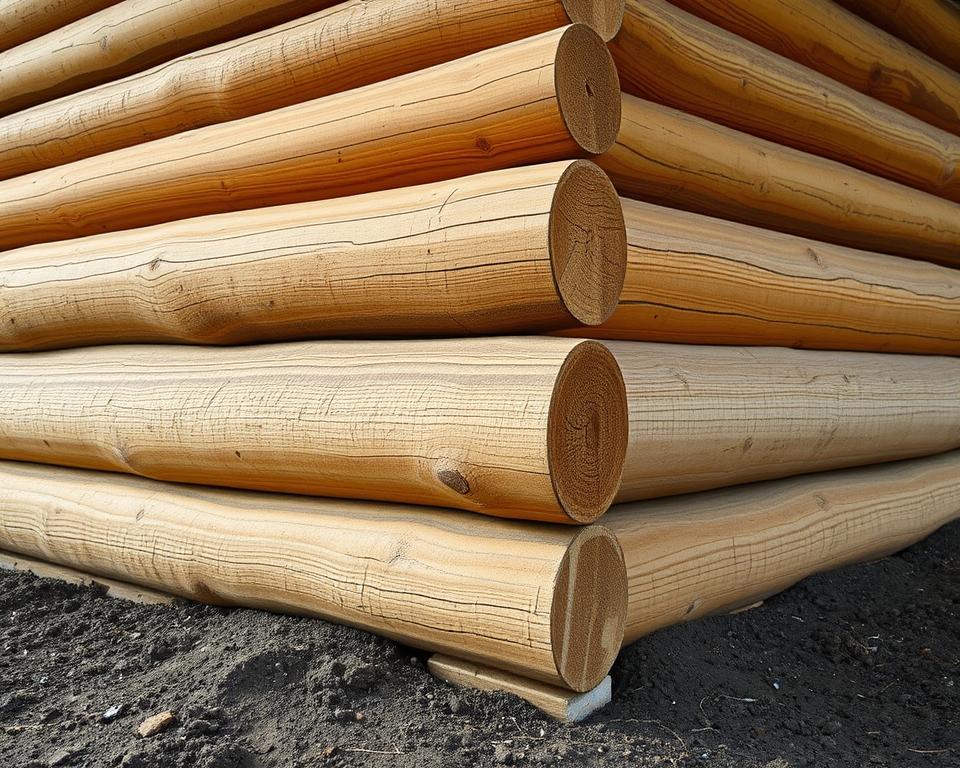
Analysing Different Designs
Slab-on-grade suits many small cabins, though it can prove less adaptable on uneven ground. Strip footings offer a reliable choice for sizable structures and work well in varied terrain. Pier-and-beam solutions bring flexibility plus simple maintenance, especially when space beneath needs easy access.
Selecting the Best Option for Your Log Cabin
Focus on solving your biggest concerns—soil type, weather exposure, and cost. A well-chosen log cabin foundation reduces risks, extends durability, and boosts your cabin’s overall performance. Consult professionals if needed, then proceed with confidence that your new home will rest on a base built to last.
Ensuring Proper Drainage and Moisture Control
Managing water flow is a top priority when aiming for a healthy log cabin. Standing water leads to rotting timbers, mildew, and an unhealthy living environment. A stable cabin base remains strong when moisture is directed away right from the start.
Gentle slopes around the perimeter encourage rainwater to travel downhill. Gutters and downpipes complete the path by diverting water away from lower walls. Gravel or French drains offer an extra shield, keeping the surrounding soil dryer.
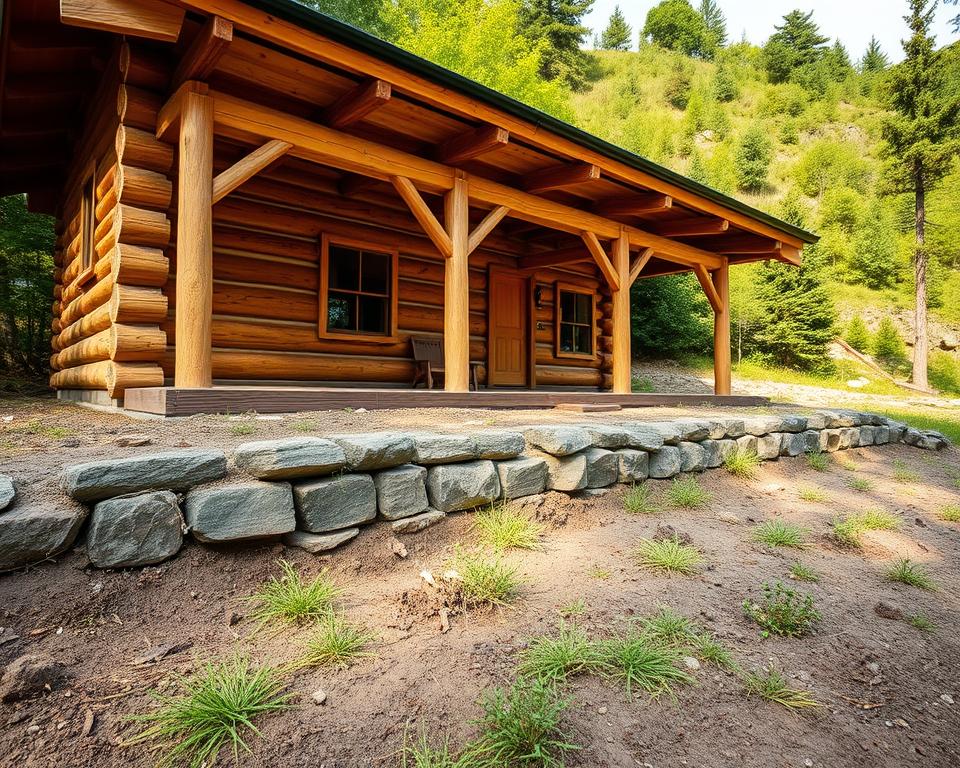
Effective Water Run-Off Techniques
Some owners install drainage channels to guide water well beyond the footprint of the structure. This measure reduces any chance of damage to floors or supports. Selecting climate-friendly materials, such as sturdy underground pipes, helps protect the cabin in harsher conditions.
Using Damp-Proof Membranes for Added Protection
A specialised membrane halts rising moisture before it seeps into the cabin’s underside. This tactic is particularly useful in rainy regions where damp air can creep through porous surfaces. An effective membrane ensures a safer interior and prolongs the life of the log walls.
| Method | Benefit |
|---|---|
| Sloping Ground | Stops puddles from accumulating |
| Damp-Proof Membrane | Prevents rising moisture |
| Gutters & Downpipes | Reroutes rainwater efficiently |
| French Drains | Reduces pooling near the base |
Insulation and Temperature Regulation
Maintaining a steady indoor climate can be challenging, especially when crisp British winters set in. Insulating every part of a log cabin foundation helps minimise heat loss and boosts year-round comfort. It also cuts down on rising energy expenses by keeping warmth indoors for longer.
Applying foam board around the perimeter is a popular strategy. It prevents cold air seeping through walls while reinforcing structural efficiency. Some builders use fibreglass to fill gaps beneath floor joists, enabling an extra layer of defence. These techniques shield the interior from sudden temperature drops.
Building experts share log cabin building tips to ensure sustainable results. Many highlight the importance of a moisture barrier before insulating, as it protects materials against dampness. Professionals from the Energy Saving Trust note that continuous insulation can result in lower heating bills, keeping living spaces cosy in every season.
Quality insulation forms part of essential log cabin building tips to create a healthier interior. It adds value to any rustic retreat and grants lasting peace of mind under varying climate conditions.
Common Pitfalls and How to Avoid Them
A built foundation log cabin may still face trouble if certain details are ignored. Small oversights can lead to cracks, dampness or shifting over time. Taking steps early prevents expensive headaches.
Overlooking Soil Conditions
Signs of soft or unstable ground are red flags. Soil testing is key before any digging begins. In regions prone to erosion, reinforcements like added gravel or deeper supports at crucial points extend the life of a built foundation log cabin. Steady ground offers peace of mind.
Ignoring Regular Maintenance
Routine checks detect minor flaws early. Failing to fix small gaps or address water seepage results in greater damage. Sealing cracks, monitoring drainage channels and clearing debris keep your base secure. Scheduling these tasks guards against future structural strain.
| Pitfall | Prevention |
|---|---|
| Soft Ground | Conduct thorough soil tests |
| Blocked Drainage | Clear debris around run-off points |
| Unsealed Cracks | Use proper sealants and inspect regularly |
Conclusion
The stability of any woodland retreat begins at ground level. A well-planned log cabin foundation supports long-lasting performance and comfort for you and your loved ones.
Each tip shared in earlier stages serves a vital role in keeping the structure safe. Good drainage, sturdy materials, and proper insulation all work together for a dependable result.
Ongoing care remains the secret to preserving a reliable log cabin foundation. Regular inspections and timely fixes reduce costly problems, so it pays to stay consistent with maintenance. New ideas keep emerging in this field. Embracing these advancements promotes security and peace of mind for every future project.
FAQ
How do I ensure stable ground for my log cabin foundation in the UK climate?
Begin by commissioning a soil test to check for groundwater levels and soil composition. This helps you design a foundation that stays sturdy over time, minimising shifting logs and moisture damage. Incorporate proper drainage measures, such as gravel backfill, to stabilise any loose earth and protect your investment.
Which foundation design offers the best structural durability and year-round comfort?
It depends on your specific needs and site conditions. Many builders opt for reinforced concrete slabs or strip footings for solid support in British weather. Adding a damp-proof course and using pressure-treated timber in any wooden framing can further bolster structural integrity and energy efficiency.
What are the key UK building regulations for constructing a log cabin foundation?
Councils may require planning permission if your structure exceeds certain height or size limits. You also need to adhere to regulations on damp-proof membranes, foundation depth and structural reinforcements. Always consult official guidelines or a qualified local surveyor to ensure compliance.
Do I need special moisture control methods to prevent future damage?
Absolutely. Proper moisture management starts with channelling water away from the foundation using drainage channels, gutters and sloping ground. Installing a robust damp-proof membrane adds an extra layer of defence against rising moisture, crucial for avoiding rot and mould in the lower logs.
How can I maintain energy efficiency within the cabin foundation?
Consider adding cavity insulation and a damp-proof course to reduce heat loss. Some builders place foil-backed foam board along the foundation perimeter. This approach helps keep your cabin warm in the winter and cool in the summer, lowering heating costs over time.
Are cost-effective solutions like pier-and-beam or rubble trench footings viable?
Yes, pier-and-beam and rubble trench footings can be cost-effective for certain properties, especially where excavation is challenging. However, ensure these designs meet local building codes and are reinforced properly. A quality mix of traditional techniques and modern engineering often yields reliable, long-lasting results.
How often should I inspect and maintain my log cabin foundation?
Schedule a visual check at least once per season. Look for cracks, voids or signs of settling, especially after heavy rainfall or frost. Repair any issues promptly and reseal or reinforce drainage elements as needed. Regular upkeep ensures your built foundation log cabin remains strong, comfortable and safe.