
do you pay council tax on a log cabin?
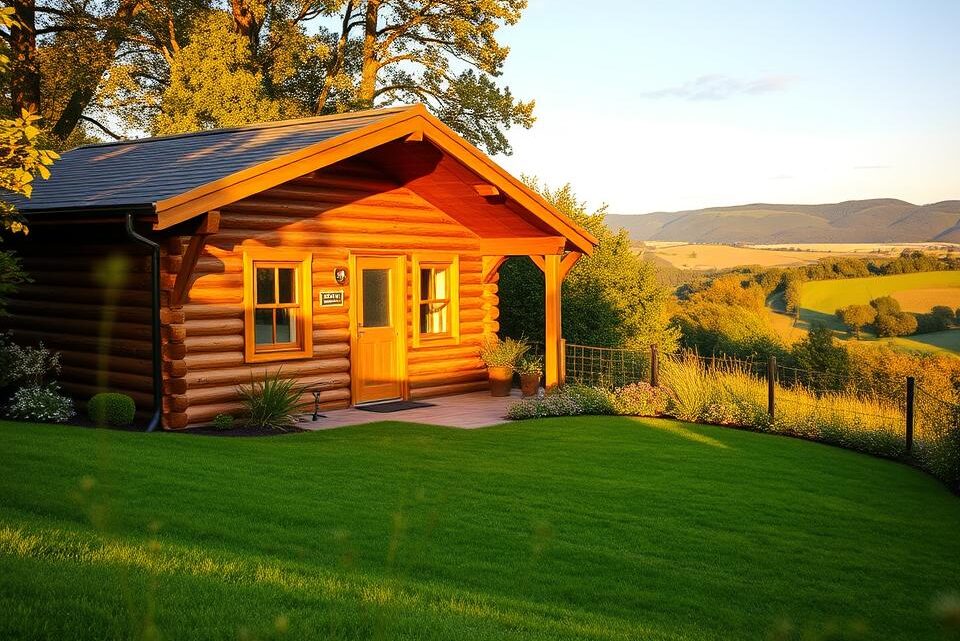
If you own a log cabin in the UK, you might wonder about your council tax log cabin UK obligations. The answer isn’t always straightforward. Your tax responsibilities depend on how you use your cabin and its legal status.
Log cabin taxation varies across different situations. A cabin used as your main home faces different property tax requirements than one used for holidays or business purposes. Understanding these distinctions helps you meet your log cabin council tax obligations without surprises.
This guide examines the tax rules for log cabins in detail. We’ll explore primary residences, holiday homes, and commercial uses. You’ll learn about exemptions, planning permissions, and valuation bands that affect your tax bill.
Inhaltsverzeichnis
Key Takeaways
- Log cabins used as primary residences typically require council tax payments
- Holiday log cabins may face different tax obligations based on occupancy
- Commercial log cabins often pay business rates instead of council tax
- Planning permission status affects whether council tax applies
- Temporary structures may be exempt from council tax
- Council tax bands determine how much you’ll pay for your log cabin
Understanding Council Tax and Property Types
When exploring whether you need to pay council tax on a log cabin, it’s essential to understand how UK council tax explained relates to various property types. The system differs across England, Scotland, and Wales, but the core principles remain consistent for determining which properties attract this local charge.
What Is Council Tax?
Council tax is a mandatory charge that funds essential services in your area. Police forces, fire services, rubbish collection, and street lighting all rely on this domestic property taxation. Every household contributes based on their property’s value, with charges varying by location and property band.
Different Property Classifications in the UK
Understanding property classifications helps determine your tax obligations. The main categories include:
- Domestic dwellings – homes where people live as their main residence
- Commercial premises – shops, offices, and business properties
- Mixed-use buildings – properties combining residential and commercial elements
- Agricultural buildings – farm structures and barns
- Temporary structures – caravans, mobile homes, and certain outbuildings
How Local Authorities Determine Taxable Properties
Your local authority tax assessment depends on several factors. The Valuation Office Agency examines whether a structure qualifies as someone’s sole or main residence. They consider the property’s physical characteristics, its intended use, and actual occupancy patterns. Properties used primarily for living attract council tax, whilst those serving purely commercial purposes may face business rates instead.
Do You Pay Council Tax on a Log Cabin?
The question of whether you pay council tax on a log cabin depends entirely on how you use the structure. Log cabins have become increasingly popular across the UK as versatile buildings that serve various purposes. Understanding the tax implications for your specific situation is essential for proper financial planning and compliance with local regulations.
Primary Residence Log Cabins
If you live in a log cabin as your main home, you must pay log cabin primary residence tax just like any other dwelling. Local councils treat these structures the same as traditional houses when occupied full-time. The amount you pay depends on your property’s council tax band, which assessors determine based on the cabin’s value in 1991.
Key requirements for primary residence status include:
- Full planning permission for residential use
- Connection to mains utilities (water, electricity, sewage)
- Meeting all building regulations standards
- Registration with the local authority as a dwelling

Holiday Home Log Cabins
Log cabins used as second homes face different tax rules. Standard holiday home council tax applies unless the property qualifies for business rates. Many owners don’t realise that letting their cabin commercially for 140 days or more per year can shift the property from council tax to business rates, potentially reducing costs significantly.
Second home taxation rates vary by council. Some authorities charge up to 200% of standard council tax for properties left empty or used occasionally. This policy aims to address housing shortages in popular tourist areas.
Commercial Use Log Cabins
Log cabins operating as businesses pay commercial log cabin rates rather than council tax. This category includes holiday lets, offices, therapy rooms, or retail spaces. Business rates often prove more advantageous, especially with small business rate relief potentially reducing bills to zero for properties with low rateable values.
Legal Requirements for Log Cabin Council Tax
When you own a log cabin in the UK, understanding your statutory obligations is essential. The Local Government Finance Act 1992 sets out clear rules about council tax legislation that apply to all dwellings, including log cabins.
Your log cabin legal requirements depend on how the structure is classified. If your cabin qualifies as a ‘dwelling’ under UK law, you must register it with your local authority. This registration isn’t optional – it’s a legal requirement that must be completed within six months of your cabin becoming habitable.

- Notifying your council when the cabin becomes occupied
- Informing authorities about any changes in occupancy status
- Keeping accurate records of when the property is used
- Responding promptly to council tax valuation notices
Failing to meet these statutory obligations can prove costly. Local authorities have the power to backdate council tax charges to when your cabin first became liable. Penalties can reach up to 100% of the unpaid tax amount, effectively doubling what you owe.
The council tax legislation gives local authorities strong enforcement powers. They can request information about your log cabin at any time, and you’re legally required to provide accurate details. This includes information about the cabin’s size, facilities, and how often it’s occupied.
Remember, ignorance of these log cabin legal requirements isn’t a valid defence. Taking proactive steps to ensure property tax compliance protects you from unexpected bills and legal complications down the line.
Planning Permission and Its Impact on Council Tax
Understanding how planning permission council tax works is crucial for log cabin owners. The type of permission you obtain directly affects whether you’ll need to pay council tax on your structure. Different planning statuses create varying tax obligations that every cabin owner should know about.
Temporary Structures vs Permanent Dwellings
The distinction between temporary and permanent structures plays a vital role in temporary structure taxation. Log cabins classified as temporary structures often escape council tax liability. Under the 28-day rule, structures used for fewer than 28 consecutive days per year typically avoid council tax charges.
Permanent dwellings face different rules. Once your log cabin receives residential planning permission, it becomes a permanent dwelling in the eyes of local authorities. This status automatically triggers council tax obligations, regardless of how often you use the property.

Building Regulations Compliance
Meeting building regulations compliance standards often signals that your log cabin is habitable. Local councils view compliance as confirmation that the structure is suitable for residential use. This compliance typically includes proper insulation, electrical safety, and adequate drainage systems.
Once your cabin meets these standards, councils usually classify it as a dwelling. This classification means you’ll likely face council tax charges, even if you only use the cabin occasionally.
Change of Use Applications
Change of use tax implications can significantly affect your tax status. Converting agricultural land to residential use through proper applications creates immediate tax liability. The moment your change of use application receives approval, your log cabin enters the council tax system.
Council Tax Bands and Log Cabin Valuation
Understanding how council tax bands work for log cabins can help you anticipate your annual tax obligations. The Valuation Office Agency determines which band your property falls into, affecting how much you’ll pay each year. For log cabin owners, this process involves specific considerations that differ from traditional homes.
How Valuations Are Conducted
The property valuation process for log cabins follows standard procedures but takes into account unique features. Valuers assess your cabin based on its market value as it would have been in April 1991. They examine the property’s size, layout, and overall condition to determine its appropriate band.
During a log cabin tax assessment, inspectors consider several key elements. They look at the total floor space, number of rooms, and quality of construction. The location plays a crucial role, as cabins in desirable areas typically receive higher valuations than those in remote locations.
Factors Affecting Your Council Tax Band
Various elements influence which of the eight council tax bands your log cabin falls into. These factors include:
- Total internal floor area and room count
- Quality of bathroom and kitchen facilities
- Type of heating system installed
- Size and condition of garden or land
- Access to mains utilities
- Proximity to local amenities and transport links
| Band | 1991 Property Value | Typical Log Cabin Features |
|---|---|---|
| A | Up to £40,000 | Small single-room cabins, basic facilities |
| B | £40,001 – £52,000 | 1-2 bedroom cabins, standard amenities |
| C | £52,001 – £68,000 | 2 bedroom cabins with good facilities |
| D | £68,001 – £88,000 | 3 bedroom cabins, quality finishes |
Appealing Your Banding Decision
If you believe your log cabin has been placed in the wrong band, council tax appeals provide a way to challenge the decision. You’ll need strong evidence to support your case, such as examples of similar properties in lower bands or proof of significant changes to your cabin since the original assessment.
The appeals process requires careful preparation. Gather information about comparable log cabins in your area and their assigned bands. Document any structural limitations or access difficulties that might affect your property’s value. Submit your appeal to the Valuation Office Agency with all supporting evidence clearly presented.
Exemptions and Discounts for Log Cabin Owners
Log cabin owners in the UK can reduce their council tax bills through various schemes and discounts. Understanding these options helps ensure you’re not paying more than necessary for your property.
The single person discount offers substantial savings for solo occupants. If you live alone in your log cabin, you qualify for a 25% reduction on your council tax bill. This applies whether you own or rent the property, making it one of the most commonly claimed discounts across the UK.

The disability reduction scheme provides support for those who’ve adapted their log cabins for accessibility. If your property has special features like wheelchair ramps, widened doorways, or an additional bathroom for disabled use, you may qualify to pay council tax at a band lower than your property’s actual valuation.
Empty property relief offers temporary respite for unoccupied log cabins. Unfurnished properties typically receive a six-month exemption from council tax. Some circumstances allow for longer exemptions:
| Circumstance | Exemption Period | Requirements |
|---|---|---|
| Probate properties | Indefinite | Until probate granted plus 6 months |
| Owner in care home | Indefinite | Property must remain unoccupied |
| Major repairs | 12 months | Property uninhabitable during works |
Students living in log cabins receive full council tax exemptions when all occupants are full-time students. Care leavers under 25 and individuals with severe mental impairments may also qualify for complete exemptions, provided they meet specific criteria set by their local authority.
Business Rates vs Council Tax for Log Cabins
Understanding the difference between council tax and business rates for log cabins can save property owners significant money. The type of tax you pay depends entirely on how you use your log cabin. This distinction affects thousands of property owners across the UK who operate holiday lets or commercial ventures from their cabins.
When Business Rates Apply
Business rates log cabins typically include those used for holiday lettings, offices, or retail spaces. If you let your log cabin commercially for 140 days or more per year, you’ll pay business rates instead of council tax. This shift in commercial property taxation occurs automatically once you meet the letting threshold.
The criteria for business rates include:
- Available for letting at least 210 days annually
- Actually let for 140 days or more
- Charged at commercial market rates
- Not used as anyone’s main home

Small Business Rate Relief
Small business rate relief can reduce your bill by up to 100% if your log cabin’s rateable value falls below £12,000. Properties valued between £12,000 and £15,000 receive tapered relief. This scheme helps small holiday let owners compete with larger businesses whilst maintaining their log cabins as viable commercial properties.
Converting Between Council Tax and Business Rates
Council tax conversion requires proper documentation and formal applications. You’ll need commercial letting records, appropriate insurance policies, and evidence of marketing efforts. The Valuation Office Agency reviews applications and determines whether your property qualifies for the switch. This process typically takes 6-8 weeks from submission to decision.
Common Misconceptions About Log Cabin Taxation
Many property owners fall victim to log cabin tax myths that can lead to unexpected financial obligations. These council tax misconceptions often stem from outdated information or misunderstandings about current regulations. Let’s address the most prevalent myths surrounding log cabin taxation in the UK.
One widespread belief suggests that all garden buildings automatically escape council tax. This property tax confusion causes many owners to assume their log cabin sits outside taxation requirements simply because it’s in their garden. The truth is far more nuanced. Any structure that functions as a self-contained dwelling attracts council tax, regardless of its location on your property.
Size presents another area of taxation clarification needs. Some believe smaller log cabins under certain dimensions avoid council tax entirely. This misconception ignores the crucial factor: habitability. A compact 20-square-metre cabin with kitchen facilities, bathroom, and sleeping quarters faces the same tax obligations as a larger property.
| Common Myth | Reality | Tax Implication |
|---|---|---|
| Timber construction exempts from tax | Material type irrelevant | Full council tax applies |
| Mobile homes escape taxation | Permanent pitches taxable | Standard rates apply |
| Annexes always tax-free | Separate access means separate tax | Additional council tax band |
These council tax misconceptions extend to construction materials. Timber-built structures receive no special exemptions. Whether your cabin features traditional logs, modern composite materials, or brick construction makes no difference to HMRC or local authorities when determining tax liability.
Conclusion
Understanding your log cabin council tax summary requires careful consideration of several key factors. The type of usage plays a crucial role in determining your tax obligations. If you use your log cabin as your main home, you’ll need to pay council tax just like any other residential property. Holiday homes and commercial properties fall under different taxation rules that can significantly affect your annual costs.
Proper property tax guidance starts with checking your planning permission status. Log cabins with full residential planning permission are treated as permanent dwellings by local authorities. Those without proper permissions might face enforcement action or additional charges. Your local council’s planning department can provide specific UK taxation advice based on your cabin’s location and intended use. They’ll help you understand whether council tax or business rates apply to your situation.
Several final considerations can help reduce your tax burden. Business rate relief might apply if you rent out your log cabin as holiday accommodation. Single person discounts and other exemptions could lower your council tax bill if you meet certain criteria. Regular communication with your local authority ensures you’re paying the correct amount and taking advantage of all available reductions. Getting professional advice early in the process saves time and money whilst keeping you compliant with all regulations.
FAQ
Do I have to pay council tax on a log cabin in my garden?
Yes, if your log cabin is a self-contained dwelling with kitchen, bathroom, and sleeping facilities, you’ll need to pay council tax. The size doesn’t matter – what counts is whether it’s habitable and has separate living facilities. Garden offices or storage sheds without these amenities typically don’t attract council tax.
What council tax band will my log cabin fall into?
The Valuation Office Agency determines your council tax band based on what your property would have been worth in April 1991. Log cabins are assessed like any other property, considering factors such as size, location, number of rooms, and local property values. Most log cabins fall into bands A-D, though luxury cabins in premium locations may reach higher bands.
Can I get council tax exemption for my unoccupied log cabin?
Unfurnished and unoccupied log cabins may qualify for a six-month exemption from council tax. After this period, you might receive a discount of up to 50%, depending on your local authority’s policy. Some councils charge a premium on properties empty for over two years. Special circumstances like probate properties may qualify for longer exemptions.
When do business rates apply instead of council tax on a log cabin?
Business rates apply when your log cabin is let commercially for 140 or more days per year at market rates. You’ll need to provide evidence of commercial letting, including booking records and appropriate insurance. Properties with rateable values under £12,000 may qualify for Small Business Rate Relief, potentially reducing your bill to zero.
Does planning permission affect whether I pay council tax on my log cabin?
Absolutely. Log cabins with residential planning permission automatically attract council tax once they’re habitable. Temporary structures under the 28-day rule don’t require council tax, but permanent dwellings do. If you change the use from agricultural to residential, council tax becomes payable from the date of approval.
What happens if I don’t register my log cabin for council tax?
Failing to register your log cabin can result in serious consequences. Local authorities can backdate council tax charges to when the property became habitable, plus impose penalties of up to 100% of the unpaid tax. You have six months from completion to notify your local council – it’s always better to register promptly than face unexpected bills later.
Are there any discounts available for log cabin council tax?
Yes, several discounts may apply. Single occupants receive a 25% reduction, whilst properties adapted for disabled residents might qualify for a one-band reduction. Students, care leavers under 25, and people with severe mental impairments can receive full exemptions. Always check with your local authority about available discounts.
How do I appeal my log cabin’s council tax band?
To appeal, contact the Valuation Office Agency with evidence that your banding is incorrect. This might include details of similar properties in lower bands or significant changes to your cabin since the original assessment. You can appeal within six months of becoming the taxpayer or if there have been material changes to the property or local area.
