
Shed Bases
Showing 9–14 of 14 resultsSorted by popularity
-
Shed Base for Forest Overlap Sheds – 7and#039; x 7and#039; £105.55

-
Shed Base for Forest Overlap And Shiplap Sheds – 7and#039; x 5and#039; £84.43
-
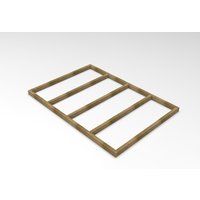
Shed Base for Forest Overlap And Shiplap Sheds – 6and#039; x 4and#039; £63.32
-
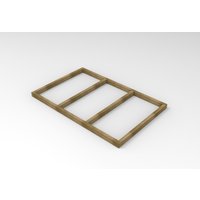
Shed Base for Forest Overlap Sheds – 6and#039; x 3and#039; £58.06
-
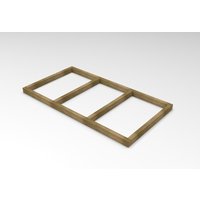
Shed Base for Forest Overlap Sheds – 5and#039; x 3and#039; £47.50

-
Shed Base for Forest Overlap Sheds – 4and#039; x 3and#039; £42.22

Discover the perfect foundation for your garden shed with our comprehensive guide on shed bases. Explore various types, shapes, and benefits to ensure your shed stands the test of time.
The Solid Ground: Understanding Shed Bases
When it comes to constructing a garden shed, the foundation is just as important as the structure itself. A well-chosen shed base not only provides stability but also extends the lifespan of your shed by protecting it from moisture and uneven ground. In this section, we delve into the essentials of shed bases and why they are a crucial component of any garden setup.
Types of Shed Bases: From Traditional to Modern
There are several types of shed bases, each offering unique benefits and suited to different garden environments and shed sizes. The most common types include:
- Concrete Bases: Known for their durability and strength, concrete bases are ideal for large, heavy sheds. They provide a permanent solution and are excellent at keeping moisture at bay.
- Gravel Bases: A more flexible option, gravel bases allow for better drainage and are easier to relocate. They are perfect for lightweight sheds and can conform to uneven terrain.
- Timber Frame Bases: These are eco-friendly and easy to install. Timber frames can be customised to fit any shed size and are perfect for temporary setups.
- Plastic Grid Bases: Lightweight and easy to handle, plastic grid bases are a modern solution that offers excellent drainage and stability without the need for heavy lifting.
Shapes and Sizes: Customising Your Shed Base
Shed bases come in various shapes and sizes, allowing you to tailor the foundation to your specific requirements. Rectangular and square bases are the most common, providing a straightforward solution for standard shed designs. However, for more unique shed shapes, custom bases can be designed to fit perfectly, ensuring no part of your shed is unsupported.
Benefits of a Well-Chosen Shed Base
Choosing the right shed base offers numerous advantages. These include:
- Enhanced Stability: A sturdy base prevents movement and settling, ensuring your shed remains level and secure.
- Moisture Protection: By elevating the shed off the ground, a proper base protects against dampness and potential rot.
- Improved Longevity: With a solid foundation, the overall lifespan of your shed is significantly increased.
- Versatility: Many modern base options allow for easy relocation should you wish to move your shed to another part of your garden.
Key Differences: Choosing the Right Base for Your Needs
Each type of shed base has distinct characteristics that make it suitable for different scenarios. For instance, concrete bases provide unmatched durability but require more effort and resources to install. On the other hand, plastic grid bases offer convenience and ease of installation but may not support extremely heavy structures. Consider the weight, size, and intended use of your shed when selecting a base to ensure optimal performance.
Top Tips for Installing Your Shed Base
Here are some practical tips to help you install your shed base correctly:
- Level the Ground: Before installing any base, ensure the ground is level to prevent structural issues down the line.
- Consider Drainage: Choose a base that allows for adequate water runoff to avoid pooling and moisture damage.
- Proper Measurements: Measure your shed and base area accurately to ensure a snug fit.
- Check Local Regulations: Ensure your shed base complies with any local building codes or regulations.
Eco-Friendly Choices: Sustainable Shed Bases
For the environmentally conscious gardener, there are several eco-friendly shed base options available. Timber frame bases made from sustainably sourced wood and recycled plastic grid bases are excellent choices that reduce environmental impact while providing a sturdy foundation for your shed.
Conclusion: Building a Strong Foundation
Investing in the right shed base is crucial for the longevity and stability of your garden shed. By understanding the different types, shapes, and benefits, you can make an informed decision that meets your specific needs. Whether you opt for the enduring strength of concrete or the modern convenience of plastic, a well-chosen shed base is the key to a successful and lasting garden structure.