How Do I Keep My Garden Building Warm in the Winter?

Garden buildings across Britain face a unique challenge when temperatures drop. Your shed heating solutions become crucial as these structures can plummet to near-freezing conditions without proper care. Recent data from the Energy Saving Trust shows that unheated garden spaces match outdoor temperatures within hours.
The rise of remote working has transformed garden sheds into year-round offices. Companies like Homebase report a 65% increase in garden office sales since 2020. Yet many owners discover their dream workspace becomes unusable during winter months. Without effective garden building heating, these spaces sit empty from November to March.
Smart winter insulation can slash your heating bills dramatically. Studies by Which? magazine found that properly winterised garden buildings use 50% less energy than uninsulated ones. This means your warm garden office stays comfortable whilst costing less to run. The right outdoor building temperature control transforms a cold shed into a productive space.
British winters test every garden structure. From converted sheds in Manchester to luxury garden rooms in Surrey, all face the same battle against cold and damp. The good news is that simple improvements make a massive difference. Whether you need a cosy workshop or a comfortable home office, the right approach keeps your space warm all winter.
Inhaltsverzeichnis
Key Takeaways
- Unheated garden buildings drop to outdoor temperatures within hours during winter
- Proper winterisation reduces heating costs by up to 50% according to Which? magazine
- Garden office sales increased by 65% since 2020, creating demand for year-round comfort
- British winters require specific insulation strategies for outdoor structures
- Simple improvements transform cold sheds into comfortable working spaces
- Effective temperature control prevents dampness and extends building lifespan
Understanding Heat Loss in Garden Buildings
Garden buildings face unique challenges when it comes to heat loss prevention during winter months. Understanding where warmth escapes helps you tackle the root causes and improve your building’s thermal efficiency. By identifying weak points in your structure, you can create a cosier space that maintains comfortable temperatures throughout the coldest months.
Common Areas Where Heat Escapes
Heat naturally rises and seeks the path of least resistance to escape your garden building. The roof accounts for approximately 25% of heat loss in uninsulated structures, whilst walls can lose up to 35% of your precious warmth. Floors contribute another 15% to overall heat loss, creating uncomfortable cold spots that make your space feel chilly.
Windows and doors present additional challenges for temperature retention. Even small gaps around frames can create draughts that significantly impact your building’s ability to stay warm. These openings act like tiny vacuum cleaners, constantly pulling warm air outside.
The Impact of Building Materials on Temperature
Different materials affect your garden building’s thermal efficiency in various ways. Timber structures, whilst attractive and popular, tend to lose heat faster than brick alternatives. Single-skin constructions offer minimal resistance to temperature changes, making proper garden building insulation essential for year-round comfort.
| Building Material | Heat Retention Rating | Typical Heat Loss |
|---|---|---|
| Single-skin timber | Poor | High |
| Double-skin timber | Good | Moderate |
| Brick/concrete block | Very Good | Low |
| Insulated panels | Excellent | Very Low |
Why Garden Buildings Get Colder Than Houses
Garden buildings lack the thermal mass that traditional houses possess. Thinner walls mean less material to store and slowly release heat throughout the day. Your home benefits from shared walls with heated rooms, creating a buffer zone that garden buildings simply don’t have.
The isolated nature of these structures exposes all sides to outdoor temperatures. Without the protective envelope of a larger building, rapid temperature changes occur more frequently. This makes effective heat loss prevention strategies crucial for maintaining comfortable conditions inside your garden office or workshop.
Insulation Solutions for Garden Offices and Sheds
Proper insulation transforms your garden building from a seasonal space into a year-round retreat. The right combination of materials and techniques can dramatically reduce heat loss whilst keeping energy costs manageable. Whether you’re working with a new build or retrofitting an existing structure, understanding your insulation options helps create a comfortable environment throughout winter.
Wall Insulation Options
Wall insulation forms the first line of defence against cold weather. PIR boards offer excellent thermal performance with minimal thickness requirements. A 50mm layer achieves impressive U-values around 0.35, making them ideal for spaces where every centimetre counts. Mineral wool batts provide a cost-effective alternative, fitting snugly between timber studs whilst offering good acoustic properties.
For environmentally conscious builders, sheep’s wool insulation delivers natural temperature regulation. This breathable material manages moisture effectively and requires no protective equipment during installation. Each option brings unique benefits to your garden building project.

Floor Insulation Techniques
Cold floors quickly make any space uncomfortable. Installing 100mm rigid thermal boards beneath floorboards creates an effective barrier against ground chill. Suspended timber floor systems allow for thicker insulation thickness options, accommodating up to 150mm of material for superior performance.
Roof and Ceiling Insulation Methods
Heat rises, making roof insulation crucial for winter warmth. Most garden buildings benefit from 120-150mm of insulation in this area. PIR boards work well in pitched roofs, whilst mineral wool rolls suit flat ceiling spaces. Proper installation prevents condensation issues that could damage your building’s structure.
Choosing the Right Insulation Materials
Selecting appropriate materials balances performance, cost, and installation ease. Leading brands offer reliable solutions for different budgets:
| Material Type | Brand Examples | Cost per m² | Best Use |
|---|---|---|---|
| PIR Boards | Kingspan, Celotex | £25-£40 | Walls, Floors |
| Mineral Wool | Rockwool, Knauf | £15-£25 | Walls, Ceilings |
| Sheep’s Wool | Thermafleece, Black Mountain | £20-£35 | All Areas |
Consider your building’s specific needs when choosing materials. Moisture-prone areas benefit from breathable options like sheep’s wool insulation, whilst space-limited installations favour high-performance thermal boards. The right insulation thickness depends on your climate and intended use of the space.
Effective Heating Systems for Garden Buildings
Choosing the right heating system transforms your garden building into a comfortable workspace throughout winter. Different heating solutions offer varying benefits in terms of cost, heating efficiency, and installation ease.
Electric heaters remain the most popular choice for garden buildings due to their simple plug-and-play installation. Running costs typically range from £0.30 to £0.60 per hour, depending on wattage and local electricity rates.
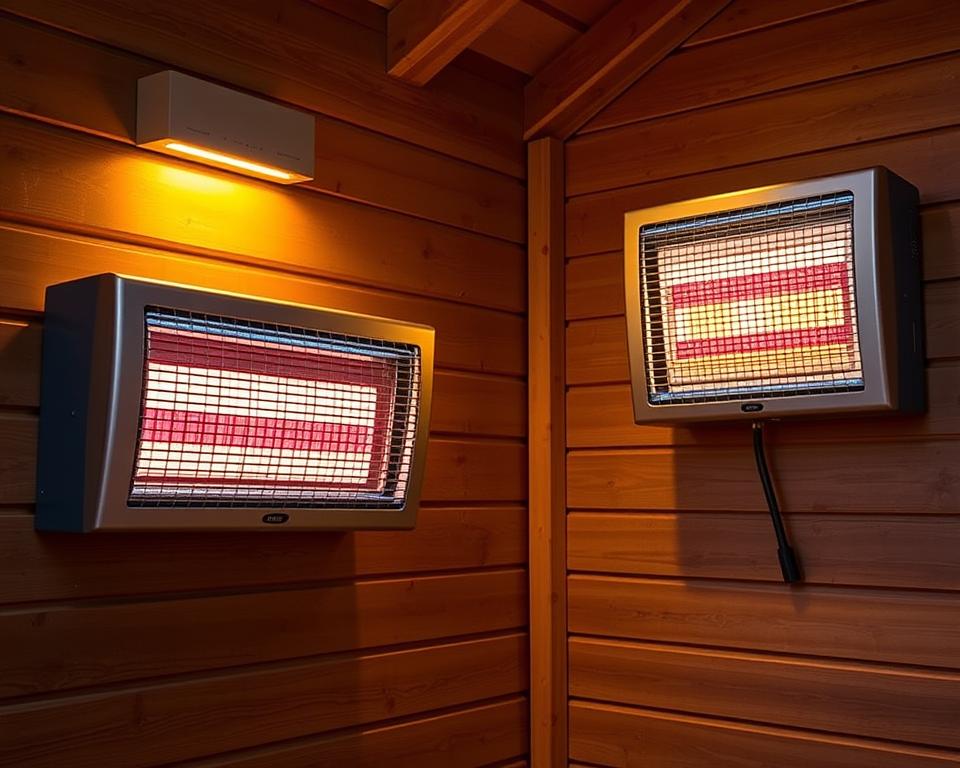
For quick temperature boosts, convection heaters circulate warm air rapidly throughout the space. These units work brilliantly in well-insulated buildings where maintaining consistent temperatures is easier.
| Heating Type | Power Range | Best For | Average Cost per Hour |
|---|---|---|---|
| Electric Panel Heaters | 500W-2kW | Regular daily use | £0.15-£0.60 |
| Infrared Panels | 300W-1.2kW | Instant targeted warmth | £0.09-£0.36 |
| Oil-filled Radiators | 800W-2.5kW | All-day heating | £0.24-£0.75 |
| Fan Heaters | 1kW-3kW | Quick warming sessions | £0.30-£0.90 |
Infrared panels provide instant warmth by heating objects and people directly rather than the air. This makes them particularly efficient for occasional use. Meanwhile, oil-filled radiators excel at maintaining steady temperatures over extended periods, perfect for all-day working.
Larger garden buildings might benefit from permanent solutions like air source heat pumps or underfloor heating systems. These eco-friendly options require higher initial investment but deliver superior long-term heating efficiency and reduced running costs.
Weatherproofing Doors and Windows
Cold draughts sneaking through doors and windows can make your garden building feel like an icebox during winter months. Proper draught proofing transforms these weak points into effective barriers against the cold. By focusing on window seals and door gaps, you can dramatically improve your building’s air tightness and reduce heating costs.
Installing Draught Excluders
Draught excluders come in various forms to suit different needs and budgets. *Brush strips* work brilliantly for doors, creating a flexible barrier that moves with the door whilst maintaining a seal. For windows, *rubber seals* provide excellent weather strips that compress when closed. Foam tape offers an affordable solution at £5-20 per door, perfect for filling irregular gaps.

Double Glazing Benefits
Double glazing installation cuts heat loss by up to 50% compared to single-pane windows. The trapped air layer between glass panes acts as insulation, keeping warmth inside whilst blocking cold air. This upgrade significantly improves air tightness and reduces condensation problems that plague many garden buildings.
Sealing Gaps and Cracks
Small gaps around frames need different treatment approaches:
- Silicone sealant works best for static joints around window frames
- Expanding foam fills larger cavities behind door frames
- Decorator’s caulk provides a paintable finish for visible gaps
Effective weatherproofing using these methods can slash your heating requirements by 20-30%, making your garden building comfortable year-round whilst keeping energy bills manageable.
How Do I Keep My Garden Building Warm in the Winter?
Creating a warm garden building during winter requires combining multiple *winter warmth strategies* for best results. Start by positioning furniture away from external walls where cold air penetrates most easily. Place desks, sofas, and storage units at least 15 centimetres from exterior surfaces to create an insulating air gap.
One of the most effective *heating efficiency tips* involves maintaining consistent temperatures throughout the day. Rather than letting your space go completely cold overnight, keep a minimum temperature of 12-14°C. This approach uses less energy than reheating from freezing and prevents moisture damage to your building’s structure.
Thermal curtains provide an affordable barrier against heat loss through windows. Choose heavyweight fabrics with thermal backing for maximum effectiveness. During sunny winter days, open curtains to capture natural warmth, then close them before sunset to trap heat inside.
*Temperature maintenance* improves significantly when you control humidity levels. Use a dehumidifier to remove excess moisture from the air. Dry air feels warmer than damp air at the same temperature, reducing your heating needs. This *seasonal preparation* step prevents condensation on windows and walls whilst making your space more comfortable.
Strategic use of rugs and soft furnishings adds extra insulation whilst creating a cosier atmosphere. Layer thick rugs on floors and hang tapestries or fabric panels on particularly cold walls. These simple additions trap warm air and reduce the chill from hard surfaces.
Budget-Friendly Warming Solutions
Keeping your garden building warm doesn’t have to break the bank. With clever budget winterisation techniques and creative solutions, you can maintain a comfortable temperature throughout the colder months. From simple DIY projects to affordable heating options, there are numerous ways to transform your chilly shed or office into a cosy retreat.
DIY Insulation Projects
One of the most effective DIY insulation methods involves using reflective foil behind radiators. This simple project costs between £10-15 and redirects heat back into your space rather than letting it escape through walls. Bubble wrap makes an excellent temporary window insulator – simply spray water on clean windows and press the bubble side against the glass for instant insulation.
Creating draught excluders from old clothing offers another budget-friendly solution. Roll up old jumpers or towels and place them along door bottoms and window sills. These homemade barriers effectively block cold air whilst costing nothing but time.

Temporary Heating Options
When searching for cheap heating alternatives, portable heaters under £50 provide excellent value. Ceramic heaters offer consistent warmth and energy efficiency, whilst halogen heaters deliver instant heat for quick warm-ups.
| Heater Type | Price Range | Best For |
|---|---|---|
| Ceramic Heater | £25-45 | Long-term use |
| Halogen Heater | £20-40 | Quick heating |
| Oil-Filled Radiator | £35-50 | Background warmth |
Cost-Effective Weatherproofing Tips
Simple additions like thick rugs (£20-50) provide floor insulation whilst adding comfort underfoot. Thermal blinds, available for £15-40, trap warm air between the window and room, creating an effective barrier against cold. Heavy curtains serve double duty by blocking draughts and adding style to your space.
For affordable heating success, combine these methods. Layer rugs on cold floors, hang thermal blinds behind curtains, and seal any gaps with inexpensive foam strips. These small investments yield significant warmth improvements without requiring major renovations or expensive heating systems.
Ventilation and Moisture Control
Keeping your garden building warm shouldn’t mean trapping moisture inside. A proper balance between insulation and air circulation is essential for creating a comfortable workspace. Without adequate ventilation systems, warm air meets cold surfaces and creates condensation, which can lead to mould growth and structural damage.
Installing trickle vents in windows provides continuous airflow without significant heat loss. These simple devices cost between £10-30 each and work silently to maintain air circulation. For larger spaces, consider adding an extractor fan (£50-150) to actively remove stale air and excess moisture.
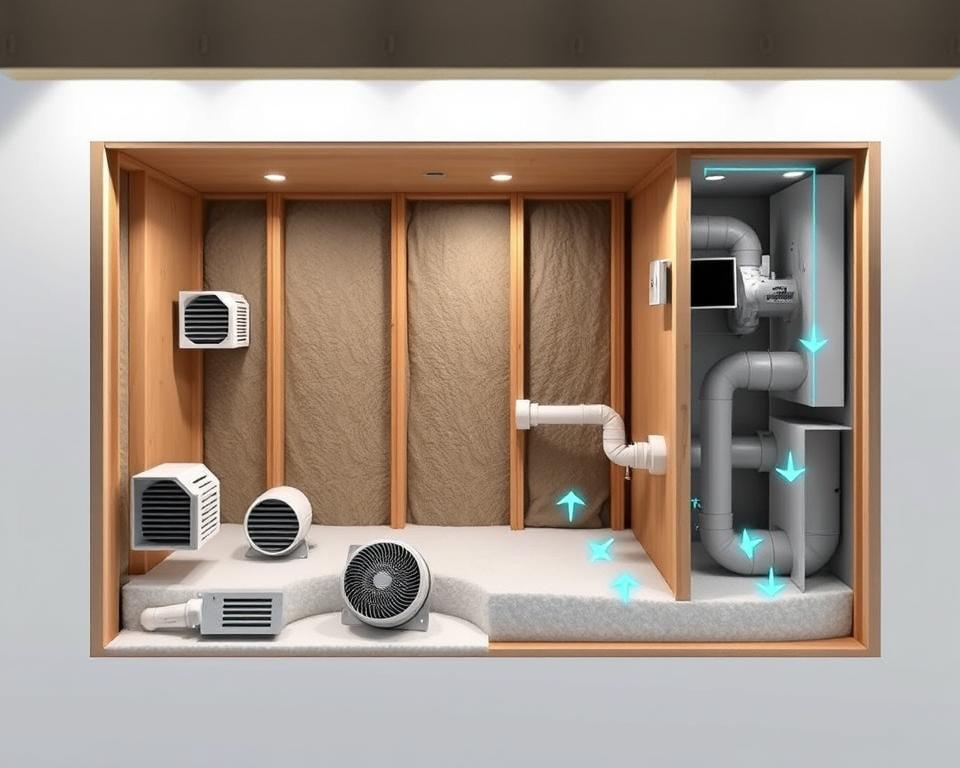
Monitoring humidity levels helps prevent dampness before it becomes a problem. A digital hygrometer (£10-20) displays current moisture levels, which should ideally stay between 40-60%. When humidity rises above this range, a dehumidifier becomes necessary for effective humidity control.
| Ventilation Method | Cost Range | Best For |
|---|---|---|
| Trickle Vents | £10-30 each | Continuous passive airflow |
| Extractor Fans | £50-150 | Active moisture removal |
| Dehumidifiers | £100-300 | High humidity areas |
| Air Bricks | £5-15 each | Under-floor ventilation |
Passive ventilation through air bricks or soffit vents provides natural damp prevention without electricity costs. Position these strategically to create cross-ventilation, allowing fresh air to flow through your building whilst maintaining warmth. Remember that condensation prevention isn’t just about adding vents – it’s about creating a complete system that works with your heating and insulation.
Smart Technology for Temperature Management
Managing your garden building’s temperature has become simpler with modern smart heating controls. These innovative devices help maintain comfortable conditions whilst reducing energy waste. From basic programmable thermostats to advanced WiFi heaters, technology offers practical solutions for every budget and building type.
Programmable Thermostats
Installing programmable thermostats transforms how you heat your garden office or shed. Popular models like Nest Learning Thermostat (£200-250) and Hive Active Heating (£150-200) learn your schedule and adjust temperatures accordingly. These devices connect to your existing heating system and allow you to set different temperatures for various times of day.
Smart Heaters and Controls
WiFi heaters paired with smart plugs (£15-30) offer flexible heating solutions. You can control standard electric heaters remotely through smartphone apps, turning them on before arriving at your workspace. This temperature automation ensures your building is warm when needed without wasting energy overnight.
Temperature Monitoring Systems
Wireless sensors (£20-50) track temperature and humidity levels throughout your garden building. These systems alert you to sudden changes and can trigger heating adjustments automatically. Many users report 20-30% energy savings after installing monitoring systems.
| Device Type | Price Range | Key Features | Energy Savings |
|---|---|---|---|
| Nest Thermostat | £200-250 | Learning schedules, remote control | Up to 30% |
| Hive Active | £150-200 | App control, scheduling | 20-25% |
| Smart Plugs | £15-30 | Remote switching, timers | 10-15% |
| Wireless Sensors | £20-50 | Temperature tracking, alerts | 15-20% |
Preparing Your Garden Building for Winter
Getting your garden building ready for the cold months requires careful planning and attention to detail. A comprehensive winter preparation strategy protects your investment and ensures comfortable use throughout the season. Starting your preparations early allows time to address any issues before harsh weather arrives.
Autumn Maintenance Checklist
Your autumn maintenance routine sets the foundation for a warm, dry garden building all winter. Begin by inspecting the roof for loose tiles or damaged felt. Clear gutters and downpipes to prevent water damage during heavy rainfall. Check all seals around windows and doors, replacing any that show signs of wear.
- Testing all electrical connections and heaters
- Treating wooden surfaces with weatherproof sealant
- Checking ventilation systems for blockages
- Securing loose exterior fixtures
- Inspecting insulation for gaps or damage
Essential Winter Supplies
Stock your garden building with vital supplies before winter strikes. Keep a portable heater (£30-100) as backup for your primary heating system. Carbon monoxide detectors (£15-30) are crucial safety devices for any heated space. Store insulation tape, torches, batteries, and basic tools within easy reach.
Emergency Heating Backup Plans
Power cuts can leave your garden building freezing cold without warning. Emergency heating options include battery-powered heaters and gas heaters designed for indoor use. Always ensure proper ventilation when using gas appliances. Consider investing in a small generator for extended outages, keeping safety guidelines and manufacturer instructions readily available.
Conclusion
Keeping your garden building warm during British winters doesn’t have to be complicated. The key lies in creating layers of protection against the cold. Start with proper insulation in walls, floors and ceilings. This forms the foundation of winter comfort and reduces the amount of heat that escapes from your space.
Your heating summary should include a reliable warming system that suits your budget and usage patterns. Electric radiators from brands like Dimplex or oil-filled heaters work well for occasional use. For year-round garden building use, consider installing a mini split system or underfloor heating. These options provide consistent warmth without taking up valuable floor space.
The winterisation benefits extend beyond just staying warm. A well-insulated and heated garden building protects your belongings from damp and frost damage. It creates a comfortable workspace that you can use throughout the year. The initial investment in quality insulation materials like Kingspan or Celotex pays for itself through lower energy bills.
Remember that small improvements add up to make a big difference. Seal gaps around windows and doors with weatherstripping. Add thermal curtains or blinds. Keep a portable heater as backup for extremely cold days. These simple steps ensure your garden building remains a welcoming retreat all winter long.
FAQ
How much does it cost to insulate a garden shed properly?
The cost to insulate a typical garden shed ranges from £300-800 for DIY installation, depending on the shed size and materials chosen. For a standard 8×10 foot shed, expect to spend approximately £15-40 per square metre on quality insulation materials like Kingspan or Celotex PIR boards. Professional installation typically doubles these costs but ensures proper fitting and maximum thermal efficiency.
What’s the cheapest way to heat a garden office during winter?
The most budget-friendly heating option is a ceramic fan heater, costing under £50 to purchase and approximately £0.30-0.40 per hour to run. For even lower running costs, consider infrared panel heaters which directly warm objects and people rather than the air, using 30-40% less energy than traditional convection heaters whilst providing instant warmth.
Can I use my summer house in winter without heating?
Whilst possible, using an unheated summer house in winter is generally uncomfortable as temperatures can drop to within 2-3°C of outdoor temperatures. However, with proper insulation (minimum 50mm PIR boards in walls and 100mm in floors), draught-proofing, and thermal curtains, you can create a usable space during milder winter days without active heating.
How do I stop condensation in my insulated shed?
Prevent condensation by maintaining proper ventilation alongside insulation. Install trickle vents or a small extractor fan (£50-150) to ensure air circulation. Use a dehumidifier (£100-300) to maintain humidity levels between 40-60%, and monitor conditions with a hygrometer (£10-20). This combination prevents moisture build-up whilst keeping your shed warm.
What’s the best insulation thickness for a garden room?
For year-round comfort in British winters, use 100mm insulation in floors, 50-75mm in walls, and 120-150mm in roofs. These thicknesses achieve U-values comparable to modern house standards, ensuring your garden room stays warm whilst minimising heating costs. Rockwool or Celotex boards in these thicknesses provide excellent thermal performance.
Is underfloor heating suitable for a log cabin?
Yes, underfloor heating works brilliantly in log cabins, providing even heat distribution and freeing up wall space. Electric underfloor heating systems cost approximately £50-75 per square metre to install and offer precise temperature control. For larger cabins, consider water-based systems connected to an air source heat pump for better energy efficiency.
How quickly will a garden office warm up in the morning?
With proper insulation and a 2kW electric heater, a well-insulated garden office typically warms from 5°C to 18°C within 30-45 minutes. Infrared panels achieve comfortable temperatures even faster (15-20 minutes) as they warm occupants directly. Using a programmable thermostat like Nest or Hive allows pre-heating before your arrival.
Do I need planning permission to insulate my garden building?
Generally, internal insulation doesn’t require planning permission as it doesn’t alter the building’s external appearance or footprint. However, if you’re adding external cladding or significantly changing the roof structure for insulation, check with your local council. Listed buildings and conservation areas may have additional restrictions.
What’s the difference between PIR boards and mineral wool insulation?
PIR (polyisocyanurate) boards like Kingspan offer superior insulation performance with thinner profiles – 50mm PIR equals roughly 80mm of mineral wool. PIR boards cost more (£25-40 per square metre) but are moisture-resistant and easier to install. Mineral wool (£15-25 per square metre) provides better sound insulation and fire resistance but requires thicker applications.
How can I heat my workshop without electricity?
Gas heaters provide effective non-electric heating, with portable propane heaters offering 4-15kW of heat output. Ensure adequate ventilation and install a carbon monoxide detector (£15-30) for safety. Alternatively, diesel heaters used in boats and campervans offer efficient, thermostat-controlled heating with minimal electricity use for the fan only.