Furnish Your Log Cabin Beautifully | Interior Guide
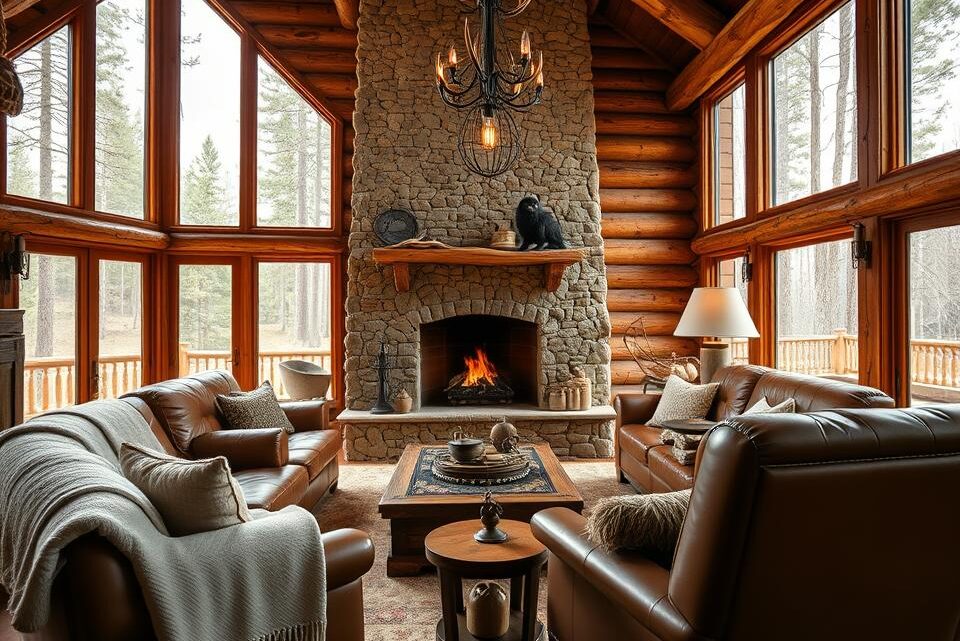
Creating the perfect log cabin interior design brings together natural beauty and comfortable living. Your woodland retreat decor should celebrate the warmth of timber whilst providing all the comforts of modern life. From selecting the right pieces to arranging them thoughtfully, every choice shapes the atmosphere of your cabin.
Rustic home furnishing requires a careful balance between authenticity and practicality. The exposed logs and wooden beams create a distinctive backdrop that calls for specific cabin furniture ideas. Whether you’re decorating a weekend escape in the Lake District or a permanent home in the Scottish Highlands, the right approach transforms raw timber into refined living spaces.
Timber home styling goes beyond simply placing furniture in rooms. It involves understanding how natural materials interact with fabrics, colours, and lighting. The goal is creating spaces that feel both sophisticated and relaxed, where every element works together harmoniously.
Inhaltsverzeichnis
Key Takeaways
- Natural wood features define the character of your cabin’s interior spaces
- Colour palettes should complement rather than compete with timber tones
- Furniture selection balances rustic charm with modern comfort
- Proper lighting transforms dark corners into inviting areas
- Textiles add warmth and soften the wooden surfaces throughout
- Regular maintenance preserves the beauty of exposed timber
Understanding the Unique Character of Log Cabin Interiors
Log cabin architecture creates a distinctive atmosphere that sets it apart from conventional homes. The raw beauty of exposed timber walls and natural wood textures forms the foundation of these charming spaces. Each cabin tells its own story through the wood’s grain patterns, knots, and rich patinas that develop over time. These rustic interior features give your home an authentic warmth that manufactured materials simply cannot replicate.
Natural Wood Features and Textures
The beauty of natural wood textures lies in their variety and character. Pine, cedar, and oak logs each bring unique grain patterns and colours to your cabin’s interior. These surfaces age gracefully, developing deeper tones and richer textures. To preserve their natural beauty, apply a clear sealant or oil finish that enhances the wood grain whilst protecting it from moisture and wear.
Working with Exposed Beams and Timber Walls
Exposed timber walls serve as both structure and decoration in log cabins. Keep these surfaces clean by dusting regularly and treating them with appropriate wood conditioners annually. You can highlight architectural details by:
- Using spotlights to accentuate beam textures
- Applying contrasting chinking between logs
- Installing floating shelves that complement the wood tones
Maximising Natural Light in Your Cabin Space
Cabin natural light transforms darker wood interiors into bright, welcoming spaces. Position mirrors opposite windows to reflect daylight deeper into rooms. Choose sheer curtains that filter light without blocking it completely. Light-coloured furniture and rugs help brighten spaces whilst maintaining the rustic charm of your log cabin’s authentic character.
Choosing the Perfect Colour Palette for Your Log Cabin
Selecting the right log cabin colour schemes transforms your woodland retreat into a harmonious sanctuary. The natural beauty of timber walls provides a stunning backdrop, but choosing complementary colours requires thoughtful consideration. Your rustic colour palette should enhance the wood’s natural warmth whilst creating a cohesive, inviting atmosphere throughout your cabin.
Complementing Natural Wood Tones
Working with exposed timber means understanding which cabin paint colours enhance rather than clash with wood grains. Warm neutrals work brilliantly alongside honey-toned pine or rich oak beams. Consider paint shades like Farrow & Ball’s ‘String’ for a soft, versatile backdrop or ‘Joa’s White’ for spaces needing extra brightness. These subtle woodland interior colours allow the natural timber to remain the star whilst preventing your cabin from feeling too dark.

Incorporating Earthy and Warm Hues
Earthy tones create depth and warmth in log cabin interiors. Think terracotta cushions, sage green curtains, or deep blue accent walls. These colours echo the natural environment outside your windows, bringing the forest indoors. A well-chosen rustic colour palette might include:
- Warm terracotta and rust shades
- Sage and olive greens
- Deep midnight blues
- Soft sand and stone tones
Creating Contrast with Accent Colours
Whilst earthy tones form your foundation, strategic pops of colour add personality. Bright cushions, vibrant artwork, or colourful rugs prevent your woodland interior colours from feeling monotonous. The key lies in balance—let these accents complement rather than compete with your cabin’s natural character.
Furnish Your Log Cabin Beautifully
Choosing the right pieces to furnish your log cabin creates a space that feels both inviting and authentic. The natural beauty of timber walls and exposed beams provides a stunning backdrop for carefully selected log cabin furniture that enhances rather than competes with the architectural features. Whether you prefer traditional charm or contemporary comfort, the key lies in selecting pieces that work in harmony with your cabin’s unique character.
Selecting Furniture That Complements Rustic Architecture
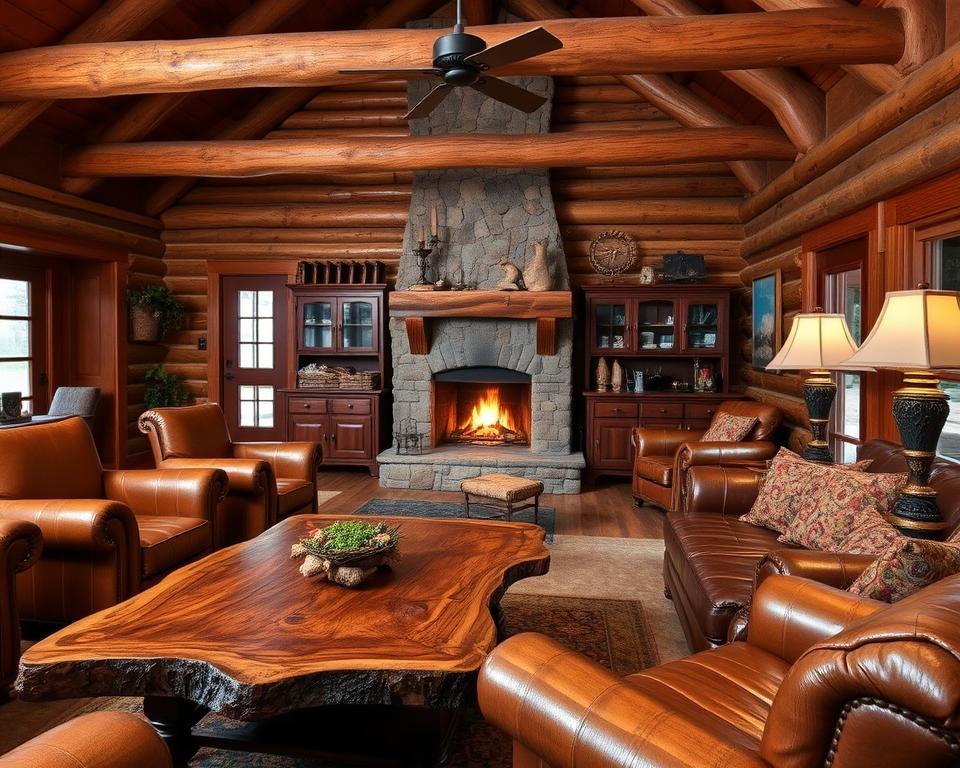
When shopping for rustic furniture styles, consider pieces that echo the natural materials of your cabin. Solid oak dining tables from The Cotswold Company pair beautifully with leather armchairs from Barker and Stonehouse. Natural textures like wool, linen, and genuine leather age gracefully alongside timber walls. Scale matters too – substantial furniture pieces balance the visual weight of logs, whilst delicate items can get lost in the space.
Balancing Comfort with Style
Your cabin seating options should prioritise comfort without sacrificing aesthetic appeal. Deep sofas upholstered in durable fabrics invite relaxation, whilst vintage leather club chairs add character. Consider these popular choices:
- Chesterfield sofas in rich brown leather
- Windsor chairs for dining areas
- Upholstered ottomans with storage
- Rocking chairs for covered porches
Mixing Modern and Traditional Pieces
Creating a successful modern rustic fusion involves thoughtful curation. Pair a sleek glass coffee table with a traditional woollen rug, or place contemporary bar stools alongside a reclaimed wood kitchen island. This blend prevents your cabin from feeling like a museum whilst maintaining its rustic charm. Traditional cabin decor elements like wrought iron light fixtures can coexist beautifully with minimalist Scandinavian furniture, creating spaces that feel both timeless and current.
Creating Cosy Living Spaces in Your Log Cabin
Transform your log cabin into a warm retreat by thoughtfully arranging your cosy cabin living room around natural architectural features. The key to successful rustic lounge design lies in working with your cabin’s inherent charm rather than against it.
Position your main seating to embrace the cabin’s natural focal points. Place a generous leather sofa directly facing your stone fireplace focal point, creating an inviting gathering spot. Add matching armchairs at angles that encourage conversation whilst maintaining clear sightlines to both the fire and any picture windows showcasing outdoor views.
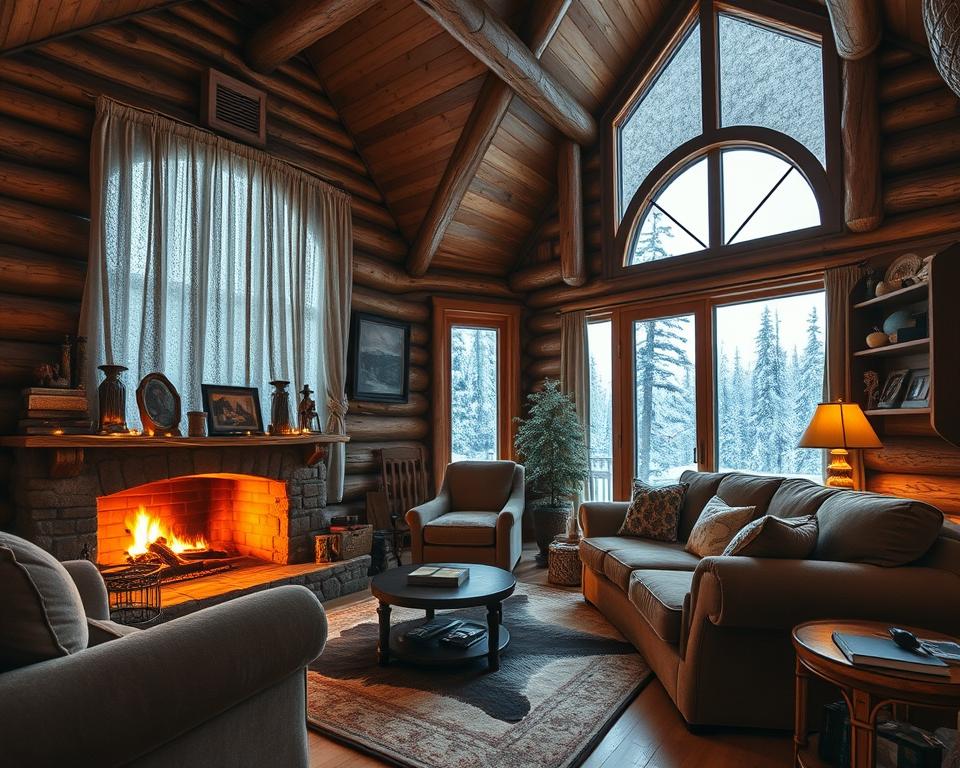
Smart cabin seating arrangements make the difference between a house and a home. Consider these essential pieces for comfortable cabin spaces:
- Oversized corner sofas in durable fabrics like wool or leather
- Ottoman storage benches that double as extra seating
- Reclining armchairs positioned near reading lamps
- Nested side tables for flexible entertaining
Define separate zones within open-plan areas using quality area rugs from British brands like Alternative Flooring or Crucial Trading. A large rug beneath your main seating group creates visual boundaries whilst adding warmth underfoot. Place smaller rugs in reading nooks or near the fireplace focal point to establish intimate spaces within the larger room.
Remember that comfortable cabin spaces balance functionality with atmosphere. Choose furniture with rounded edges that complement log walls, and select pieces in warm browns, deep reds, or forest greens that echo the natural surroundings.
Designing a Welcoming Log Cabin Kitchen
Creating the perfect log cabin kitchen design blends rustic charm with practical functionality. The heart of any cabin home deserves special attention, where natural materials meet modern convenience. A thoughtfully planned kitchen becomes a gathering place that reflects the warmth and character of your entire log home.
Choosing Rustic Kitchen Cabinets and Worktops
Rustic kitchen cabinets set the tone for your entire cooking space. Shaker-style designs from deVOL or Neptune offer timeless appeal that suits log cabin aesthetics perfectly. These simple, clean-lined cabinets complement exposed timber walls without overwhelming the space.
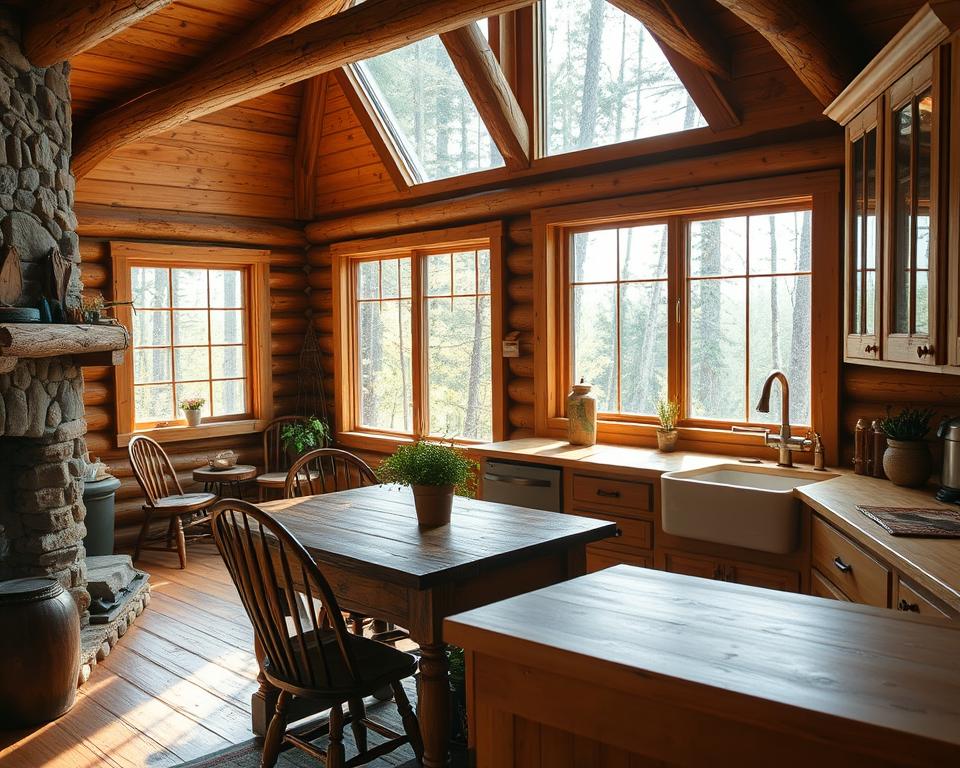
Wooden worktops bring natural beauty to your kitchen surfaces. Oak, walnut, or reclaimed timber creates warm, inviting preparation areas. Natural stone alternatives like granite or slate provide durability whilst maintaining an organic feel. Belfast sinks add traditional charm and practical depth for washing large pots and pans.
Incorporating Traditional and Modern Appliances
Country kitchen appliances bridge the gap between rustic style and contemporary needs. AGA cookers serve as stunning focal points, offering reliable heat and classic design. Smeg’s retro-style fridges in cream or pastel shades complement wooden surroundings beautifully. Choose appliances with brushed metal or enamel finishes rather than stark stainless steel.
Adding Character with Open Shelving
Cabin kitchen storage takes on decorative qualities with open shelving. Display handmade pottery, vintage glassware, and preserved foods in mason jars. This approach maintains the informal, welcoming atmosphere essential to log cabin living whilst keeping everyday items within easy reach.
Transforming Log Cabin Bedrooms into Peaceful Retreats
Creating a tranquil cabin bedroom design starts with embracing the natural beauty of your log walls. The warm timber tones provide the perfect backdrop for a restful sanctuary where you can unwind after exploring the great outdoors.
When selecting rustic bedroom furniture, consider pieces crafted from solid wood that echo your cabin’s natural aesthetic. Brands like Indigo Furniture offer stunning oak and pine bed frames that complement exposed timber walls beautifully. Warren Evans specialises in handcrafted wooden beds that bring both durability and timeless appeal to peaceful sleeping spaces.

Cosy cabin bedding plays a crucial role in creating comfort. The White Company offers luxury linens in soft neutrals—think warm greys, gentle creams, and earthy browns. These colours work harmoniously with woodland bedroom decor whilst maintaining a serene atmosphere. Layer different textures through wool blankets, linen sheets, and knitted throws for added warmth.
Storage solutions need careful consideration in compact cabin bedrooms. Built-in wardrobes that follow the natural lines of your walls maximise space without overwhelming the room. Under-bed storage boxes and vintage trunks serve dual purposes, offering both functionality and rustic charm.
Window treatments should balance privacy with your connection to nature. Opt for natural linen curtains or wooden blinds that filter light gently whilst preserving views of surrounding trees. This approach ensures your woodland bedroom decor remains authentic to its setting, creating truly peaceful sleeping spaces that refresh both body and spirit.
Lighting Solutions for Log Cabin Interiors
Creating the perfect atmosphere in your log cabin requires thoughtful lighting design. The right combination of cabin lighting ideas can transform your space from simply functional to truly magical. By layering different types of illumination and selecting fixtures that complement your cabin’s rustic character, you’ll achieve a warm, inviting environment that feels cosy throughout the year.
Layering Ambient, Task, and Accent Lighting
A well-lit cabin relies on three essential layers of light. Start with ambient cabin lighting from ceiling pendants or log cabin chandeliers to provide general illumination. Add task lighting through table lamps beside reading chairs and under-cabinet lights in work areas. Complete the scheme with accent lighting using wall sconces to highlight timber walls or artwork.
Choosing Fixtures That Enhance Rustic Charm
Select rustic light fixtures that complement your cabin’s natural materials. Jim Lawrence offers stunning wrought iron chandeliers, whilst Original BTC creates handcrafted pieces in aged brass. Consider fixtures featuring:
- Antler designs for authentic mountain lodge appeal
- Blackened metal finishes that contrast beautifully with honey-toned wood
- Glass shades in amber or frosted finishes for soft, warm light
Making the Most of Natural Light Sources
Maximise natural light solutions by installing skylights in darker areas and enlarging existing windows where possible. Position mirrors opposite windows to reflect daylight deeper into rooms. During long British winters, combine these natural light sources with your artificial lighting scheme to maintain brightness and combat seasonal gloom.
Incorporating Textiles and Soft Furnishings
The right cabin textiles can transform your log home from a simple wooden structure into a warm, inviting retreat. Natural fabrics and thoughtful placement of rustic soft furnishings create layers of comfort whilst honouring the cabin’s authentic character. From plush cushions to handwoven blankets, each textile element contributes to the overall atmosphere of your woodland sanctuary.
Selecting Appropriate Fabrics and Patterns
Natural fibres work best in log cabin interiors, bringing both durability and breathability to your space. Consider these fabric choices:
- *Wool* from heritage mills like Abraham Moon offers exceptional warmth and longevity
- *Linen* provides a relaxed, organic texture perfect for summer months
- *Cotton* in heavyweight weaves stands up to daily use
- Traditional patterns like plaids, checks, and botanical prints from Colefax and Fowler
Adding Warmth with Rugs and Throws
Layering textures creates visual interest and physical comfort throughout your cabin. Sheepskin cabin area rugs placed beside beds or in front of the fireplace invite barefoot wandering. Chunky knit wool throws draped over leather sofas or wooden benches add instant cosiness. Mix different textures – smooth woven blankets with nubby tapestry cushions – to achieve a collected-over-time aesthetic that feels authentic rather than contrived.
Choosing Window Treatments for Log Cabins
Log cabin curtains must balance privacy needs with the desire to maximise natural light. Wooden shutters painted in soft whites or left natural complement timber walls beautifully. For a softer approach, heavyweight linen panels on wrought iron poles filter light whilst maintaining the rustic aesthetic. In bedrooms, consider layering sheer curtains with heavier drapes for versatile light control throughout the day.
Decorating with Nature-Inspired Accessories
Transform your log cabin into a haven of natural beauty by carefully selecting nature-inspired accessories that celebrate the British countryside. The right decorative pieces can enhance your cabin’s rustic charm whilst creating a warm, inviting atmosphere that reflects the surrounding landscape.
Start with cabin wall decor that brings the outdoors inside. Consider displaying botanical prints featuring British wildflowers like foxgloves, bluebells, or heather. Landscape photography showcasing the Lake District, Scottish Highlands, or Yorkshire Dales makes stunning focal points. Create gallery walls mixing these prints with vintage Ordnance Survey maps of local walking routes.
Antler decorations serve as classic rustic cabin ornaments. Source these ethically from local deer parks or opt for resin alternatives. Display them alongside collections of vintage fishing reels, traditional woodworking planes, or locally crafted pottery from workshops in the Cotswolds or Cornwall.
Woodland decorations add authentic charm to any space. Fill woven baskets with pine cones, acorns, or dried flowers gathered during countryside walks. Vintage hurricane lanterns from antique shops create both decorative appeal and practical lighting solutions.
When selecting cabin artwork, support local British artists who capture wildlife scenes. Look for paintings or prints featuring red deer, barn owls, or badgers. Balance these statement pieces with functional accessories like hand-carved wooden bowls or wrought iron hooks that serve dual purposes.
Remember to arrange accessories in odd numbers for visual appeal. Group items by theme or colour to create cohesive vignettes that tell the story of your cabin’s connection to nature.
Maintaining and Preserving Your Log Cabin Interior
Proper log cabin maintenance ensures your rustic retreat remains beautiful and structurally sound for years. Regular wood surface care protects the natural beauty of timber whilst preventing damage from moisture and temperature fluctuations. A well-maintained cabin interior not only looks stunning but also provides a healthier living environment.
Caring for Wood Surfaces and Finishes
Interior wood preservation starts with choosing the right products. Apply Osmo Interior Wood Wax twice yearly to nourish timber surfaces and maintain their natural lustre. Clean surfaces with a slightly damp microfibre cloth before treatment. For high-traffic areas like dining tables and worktops, consider monthly applications of wood conditioner.
Managing Humidity and Temperature
Effective cabin humidity control prevents warping, cracking, and mould growth. Maintain indoor humidity levels between 30-50% using:
- Dehumidifiers during damp months
- Humidifiers in dry winter conditions
- Proper ventilation throughout the year
- Regular monitoring with hygrometers
Seasonal Maintenance Tips
Seasonal cabin care keeps your interior pristine year-round. Follow this maintenance schedule:
| Season | Essential Tasks | Frequency |
|---|---|---|
| Spring | Check window seals, clean timber surfaces | Once |
| Summer | Rotate textiles to prevent sun damage | Monthly |
| Autumn | Treat leather furniture, inspect for gaps | Once |
| Winter | Monitor heating systems, check insulation | Weekly |
Conclusion
Creating beautiful log cabin interiors requires a careful balance between honouring the natural architecture and crafting comfortable living spaces. Your cabin decorating success depends on respecting the inherent character of wood whilst adding personal touches that make your woodland retreat design truly yours. Quality materials paired with thoughtful choices will transform your cabin into a welcoming home.
This cabin interior guide has shown you how to work with exposed beams, select appropriate furniture, and layer lighting effectively. A successful rustic home transformation embraces the warmth of natural wood tones whilst incorporating modern comforts. From choosing the right colour palettes to selecting textiles that add cosiness, each decision contributes to your cabin’s unique atmosphere.
Your British countryside cabin can become a perfect blend of rustic charm and contemporary living. By following the principles outlined throughout this guide, you’ll create spaces that feel both authentic and inviting. Remember that the best cabin interiors tell a story through their design choices, reflecting both the natural beauty of their surroundings and the personality of those who call them home.
FAQ
What are the best furniture materials for a log cabin interior?
Natural materials work brilliantly in log cabins. Choose solid wood furniture from oak, pine, or reclaimed timber, leather sofas and armchairs for durability, and wool or linen upholstery. Brands like The Cotswold Company and Barker and Stonehouse offer excellent pieces that complement rustic architecture whilst providing modern comfort.
How can I brighten a dark log cabin interior?
Maximise natural light by keeping windows unobstructed, adding mirrors to reflect light, and choosing light-coloured furnishings and rugs. Install skylights where possible, use warm white LED bulbs in layered lighting schemes, and consider painting accent walls in soft neutrals like Farrow & Ball’s ‘Joa’s White’ to brighten the space without losing character.
What colour schemes work best with natural wood walls?
Warm neutrals, earthy tones, and nature-inspired hues complement log walls beautifully. Consider sage greens, terracotta, deep blues, and warm greys. Farrow & Ball’s ‘String’ works wonderfully as a neutral backdrop. Add personality through accent colours in cushions, throws, and artwork without overwhelming the natural wood tones.
Should I choose modern or traditional appliances for my log cabin kitchen?
A blend often works best. Traditional-style appliances like AGA cookers or Smeg’s retro fridges offer modern functionality with classic aesthetics. Pair these with Belfast sinks, shaker-style cabinets from deVOL or Neptune, and natural stone worktops to create a kitchen that’s both practical and perfectly suited to cabin life.
What type of lighting fixtures suit log cabin interiors?
Choose fixtures that enhance rustic charm using natural materials. Jim Lawrence and Original BTC offer wonderful options in wrought iron, aged brass, or even antler designs. Layer ambient ceiling pendants with task lighting and accent lights to highlight architectural features and create a warm atmosphere during long winter evenings.
How do I maintain interior log walls and wood surfaces?
Regular care keeps wood looking beautiful. Treat interior logs annually with products like Osmo Interior Wood Wax, dust beams and walls regularly with a soft brush, and maintain humidity levels between 30-50% using dehumidifiers or humidifiers as needed. Check for any signs of wear or damage during seasonal maintenance routines.
What window treatments work best in log cabins?
Balance privacy with natural light using wooden shutters, linen curtains on wrought iron poles, or Roman blinds in natural fabrics. Brands like Colefax and Fowler offer beautiful nature-inspired patterns. Avoid heavy, dark curtains that block light – instead choose treatments that can be fully drawn back during the day.
How can I create separate zones in an open-plan log cabin?
Use area rugs from Alternative Flooring or Crucial Trading to define different spaces. Position furniture to create natural divisions – a large sofa can separate living and dining areas. Add pendant lights over specific zones and use open shelving units as room dividers whilst maintaining the airy, open feel.
What’s the best way to add storage without cluttering a log cabin?
Choose furniture with built-in storage like ottoman benches, wooden trunks that double as coffee tables, and beds with drawer storage from makers like Warren Evans. Install open shelving to display collections whilst keeping everyday items in woven baskets. Built-in cupboards can be designed to blend seamlessly with log walls.
How do I decorate a log cabin for different seasons?
Embrace seasonal changes with swappable textiles and accessories. Use chunky knit throws and sheepskin rugs from Abraham Moon in winter, switching to lighter linens in summer. Rotate artwork and cushions seasonally, add fresh flowers or evergreen arrangements, and adjust lighting schemes to complement natural daylight changes throughout the year.