UK Log Cabin Planning Permission Guide
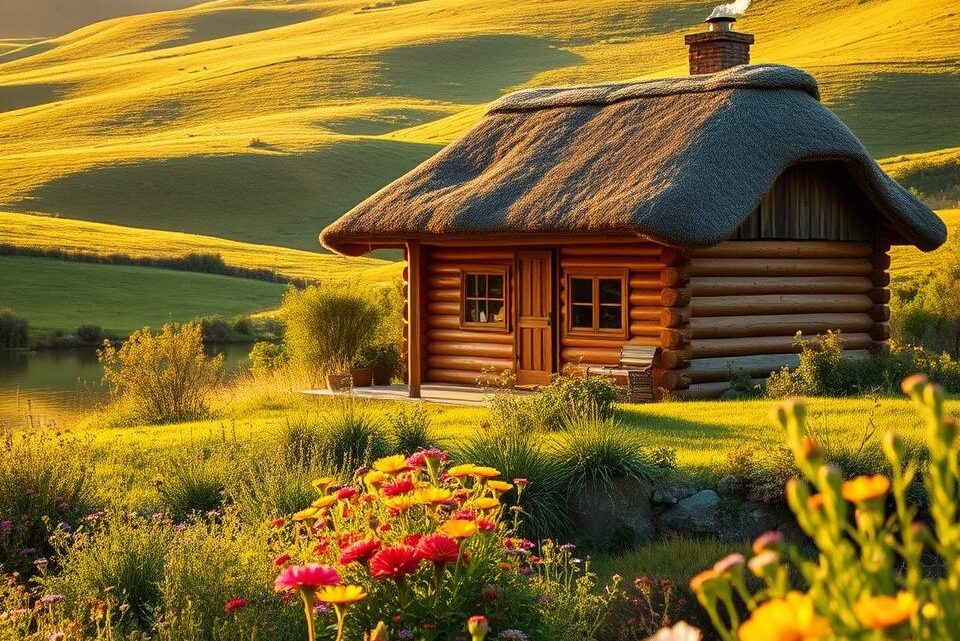
This guide is your companion for understanding UK planning permission when you plan your next log cabin. You will learn what permission log cabin uk guidelines involve and why they keep neighbourhoods harmonious.
You will gain insight into the steps needed for a smooth process. Our aim is to simplify each stage so you feel confident about your project.
Inhaltsverzeichnis
Key Takeaways
- Check local regulations for any unique permission log cabin uk rules.
- Keep designs modest to fit in with neighbourhood settings.
- Contact authorities to stay informed on UK planning permission updates.
- Plan a timeline that includes application and review stages.
- Seek professional advice if you face complex legal details.
- Stay mindful of your neighbours’ comfort and shared boundaries.
What Constitutes a Log Cabin in the UK
A classic log cabin is recognisable by its timber walls, pitched roof, and sturdy base. These structures often stand out from basic garden sheds. Softwood or hardwood logs are common, giving the cabin a rustic aesthetic. When choosing materials, weigh durability and weather resistance. Timber repairs are simpler if the frame has been built correctly from the outset.
Property owners concerned about structural rules consult garden building guidelines to verify height and distance from boundaries. In some cases, log cabin planning regulations influence the size, position, or intended purpose. Checking local authority advice prevents legal complications.
Typical Log Cabin Features
Many cabins include double-glazed windows, robust roofing, and built-in insulation. Quality lumber and well-sealed joints boost thermal efficiency. That design supports year-round comfort, whether used for work or leisure.
Uses of a Log Cabin
Some people opt for a home office or create a relaxing retreat. Others transform it into a semi-permanent living space for guests. Additional services, like electricity or water, may impact building permissions.
| Structure | Size Range | Insulation |
|---|---|---|
| Shed | Small to Medium | Minimal |
| Summerhouse | Medium | Moderate |
| Log Cabin | Varies widely | More Advanced |
Understanding the Permission Log Cabin UK Requirements

Many homeowners dream of a cosy structure in the garden that offers a peaceful outdoor living space. Getting the right details on permission log cabin uk regulations helps prevent hiccups during the building process. Local planning teams often look at the proposed cabin’s height, floor area and placement.
Some properties fall under Permitted Development Rights, which might let you skip a formal application if the cabin meets certain size limits. But specific checks arise when you live in a conservation area or if the project strays too close to neighbouring borders. Councils often want assurance that new structures respect local character while maintaining safe distances.
A few core factors guide most approvals, including whether the cabin will serve as accommodation, its impact on next-door properties, and the likelihood of noise or privacy issues. Staying mindful of these points paves the way for a smoother journey from blueprint to final build.
Key Planning Regulations Across England and Wales
Building a log cabin in England or Wales calls for thoughtful steps. Selecting robust timber construction ensures a sturdy base, yet local authorities often have specific log cabin planning regulations in place. These points help preserve community well-being and protect the environment.

Height Restrictions
The overall peak matters, as some councils require formal approval once a cabin exceeds certain eaves or ridge levels. Overshadowing a neighbour’s plot or obstructing views might trigger additional checks.
Placement Guidelines
Positioning the cabin too close to property lines can cause disputes. Maintaining enough distance helps reduce fire risks and maintain neighbourly privacy. Extra measures may apply if the land sits within a National Park or an Area of Outstanding Natural Beauty.
Special Conditions in Scotland and Northern Ireland
Scotland and Northern Ireland can bring unique regulations that shape any permission log cabin uk project. In some rural and remote locations, local councils may require extra paperwork or site checks, especially if your chosen spot is near protected land. Guidance on cabin height and distance from boundaries might be stricter than in other parts of the country.

Contacting the relevant planning bodies early in your log cabin installation journey helps avoid setbacks. Certain councils expect detailed drawings or environmental assessments before giving approval. A short meeting with their representatives often clarifies how local rules differ from national guidelines. Builders who adapt plans at this stage save time, lessen stress, and prevent later conflicts with neighbours or community groups.
When Do You Need Planning Permission
Home improvement projects can vary in scale, and some garden building guidelines permit smaller garden cabins without extensive checks. A modest structure used occasionally might skip formal approvals if it respects height limits and avoids overshadowing nearby properties.
An official permit becomes essential when you plan a permanent home. That often means extra paperwork and stricter design standards, from proper insulation to safe electrics. Local councils can confirm whether your plans fit existing rules, so it helps to research early.
Garden Cabin vs. Permanent Home
A garden cabin might serve as a casual retreat, making it less intrusive and simpler to justify. A permanent home involves deeper foundations, continuous occupation, and a higher chance of triggering regulations.
Impact on Neighbours
Neighbours expect sensible layouts. Large frames can dominate views or generate noise, sparking disagreements. Talking with those who live next door supports goodwill and minimises potential snags during approval stages.
Building Materials and Environmental Considerations
Thoughtful selection of materials can make a big difference when meeting official building rules. Timber from certified forests provides sturdiness and peace of mind. Quality insulation locks in warmth and reduces energy costs, which keeps long-term maintenance manageable. Local authorities often encourage these greener approaches because they blend well with the landscape.

Aim for treatments without harsh chemicals if the site sits near protected habitats. This approach aligns with sustainable guidelines and helps secure permission log cabin uk without delays. Some communities favour eco-friendly finishes, so it is wise to discuss options with trusted suppliers and confirm they meet local criteria.
- Choose responsibly harvested timber for minimal environmental impact.
- Review low-toxicity finishes that comply with local standards.
- Retain natural aesthetics while enhancing durability.
| Material | Pros | Notes |
|---|---|---|
| Sustainably Sourced Wood | Renewable, strong insulation | Check certifications |
| Eco-Friendly Insulation | Energy-saving, lower emissions | Works best with secure weatherproofing |
Tips for Submitting a Full Planning Application
Securing UK planning permission might feel daunting. A step-by-step approach makes your log cabin installation dream easier to achieve. Thoughtful preparation saves time, streamlines reviews, and helps your application move forward without hiccups.

Clear details stand out when officials assess your proposal. Presenting accurate site data, measured drawings, and up-to-date maps lays a solid foundation for your case. Thorough research on local guidelines keeps surprises at bay and boosts your chances of approval.
Essential Documents
Comprehensive paperwork supports a swift verdict. Include technical drawings, a site plan, and ownership certificates. Extra reports, such as heritage or ecological assessments, may be necessary when certain conditions apply.
- Technical Drawings – Show precise cabin dimensions and materials.
- Site Plan – Mark plot boundaries and cabin placement.
- Ownership Certificates – Verify legal rights to the land.
Working with Local Authorities
Timely communication paves the way for efficient progress. Submit requested information without delay and stay courteous when clarifying logistics. Positive engagement with planning officers reduces confusion and safeguards your budget.
| Document | Purpose |
|---|---|
| Architectural Drawings | Visualise size and style |
| Site Map | Clarify exact location |
| Ownership Certificate | Prove authority to build |
Navigating Permitted Development Rights
Permitted Development Rights let certain outbuildings be constructed without a formal application. Projects must comply with log cabin planning regulations on height and function. Positioning your cabin at a suitable distance from boundaries and respecting garden building guidelines can preserve these automatic allowances.
Properties set in conservation areas or bearing listed status may face extra limits. It is best to check if earlier modifications have reduced your potential to build under these rights. A little research saves effort and cost down the road.
| Criterion | Possible Conditions |
|---|---|
| Maximum Height | Often capped at 4 metres for pitched roofs |
| Boundary Distance | Avoid building within 2 metres of edges |
| Usage | Must not serve as main living space |
Common Misconceptions About Log Cabin Planning
Some myths linger around building rules, leaving many unsure about planning requirements. It is crucial to clear up these beliefs early on, especially when dealing with permission log cabin uk guidelines. A solid understanding creates peace of mind before moving forward with home improvement projects.
In fact, planning permission often involves checking multiple factors, not just measurements or existing property status. Sticking to verified resources ensures your decisions align with official policies for any permission log cabin uk request.
Myth: Size Alone Dictates Permission
A larger build does not automatically necessitate formal approval. Local councils examine function, location, and design, which carry as much weight as overall dimensions. Surveys and site visits help authorities gauge how well the cabin integrates with its surroundings.
Myth: Listed Buildings Always Disallow Log Cabins
Many believe that living in a listed property halts any new addition. This is not the case. Councils might impose stricter rules, yet they often allow outbuildings if they respect the original character. Getting the right advice helps you balance your home improvement projects with heritage requirements. Submitting a thorough proposal shows you grasp local needs with clarity.
Maintaining Compliance After Construction
Staying on track with local rules is crucial once your log cabin installation is complete. Routine checks protect your investment from surprises and help you avoid penalties. Regular upkeep also keeps your timber construction in prime condition.
Annual Inspections
Yearly reviews highlight any changes in your cabin’s structure or usage. Minor cracks or damp patches may signal the need for repairs. An early response preserves the integrity of your cabin and reinforces ongoing compliance. If your cabin’s purpose shifts or you plan to upgrade certain features, inform your council to ensure safety requirements remain satisfied.
Adding Utilities Responsibly
Connecting electricity, water, or gas extends your options but calls for professional advice. A certified installer will address potential hazards and confirm that regulatory standards are met. Drainage or sewage systems should fit the original planning conditions. If you decide to switch your structure into something more permanent, an extra consult with local officials is recommended to stay on the right side of building regulations.
Conclusion
UK log cabins offer style, comfort, and extra space for recreation or work. Each project succeeds with attention to official building rules, balanced design, and clear communication with your local planning authority. This guide has addressed the benefits of thorough planning, from setting realistic expectations to keeping neighbours informed.
Permission log cabin uk guidelines safeguard the environment, your property, and everyone’s wellbeing. Builders and homeowners who follow these rules avoid unnecessary disputes and enjoy a smooth experience. Thoughtful design choices help your cabin blend with existing surroundings, preserving the charm of the neighbourhood.
Future additions, such as power or water, should align with current regulations. A regular check on structural health also ensures your retreat remains safe for years to come. By staying proactive and seeking advice when needed, you can rest assured that your investment will stand the test of time and bring new life to your outdoor space.
FAQ
Do I need Building Control approval for my log cabin foundation in the UK?
While many log cabins qualify under Permitted Development rules, certain structural aspects, including the foundation and overall size, may require Building Control approval. It’s best to consult your local council to confirm if your proposed depth, construction method, or intended use needs additional authorisation.
Are eco-friendly materials necessary for meeting UK planning requirements?
Strictly speaking, using eco-friendly or sustainable materials isn’t always mandatory, but many local authorities strongly encourage it to reduce environmental impact. Opting for sustainably sourced timber and high-grade insulation not only helps the planet but can also simplify the approval process.
Can my garden office function as a permanent home without extra permission?
A small log cabin used occasionally as a garden office might not require formal planning permission if it meets basic size and placement criteria. However, if you plan to live in it permanently or fit additional utilities like gas and drainage, you’ll likely need full planning consent to ensure compliance with garden building regulations.
How can I minimise potential conflicts with neighbours when building a log cabin?
Clear communication is key. Sharing your design plans and proposed location in advance can help address their concerns—especially regarding height restrictions, noise management, or overshadowing. Additionally, following official guidelines on boundaries and applying suitable noise insulation demonstrates consideration for neighbouring properties.
What happens if I alter my log cabin after it’s built?
Small cosmetic changes generally don’t require new permission. However, major modifications—like increasing the ridge height or adding living quarters—could trigger the need for updated planning permission or Building Control checks. Always check with your local planning office before making substantial changes.
Are annual maintenance checks mandatory after construction?
They’re not strictly enforced in most areas, but an annual inspection is highly recommended. Regularly examining your timber for rot, checking the roof for leaks, and ensuring any new additions meet safety standards helps maintain compliance and prolong the cabin’s lifespan.
Can I install heating and water systems in my log cabin without extra paperwork?
Adding electricity, water lines, or a full heating system can shift your cabin from a simple garden building to a more regulated structure. If utilities affect the overall footprint or usage, you may need further approval under permission log cabin UK guidelines and building regulations. Consult local authorities to ensure compliance.