what is the best insulation for a log cabin
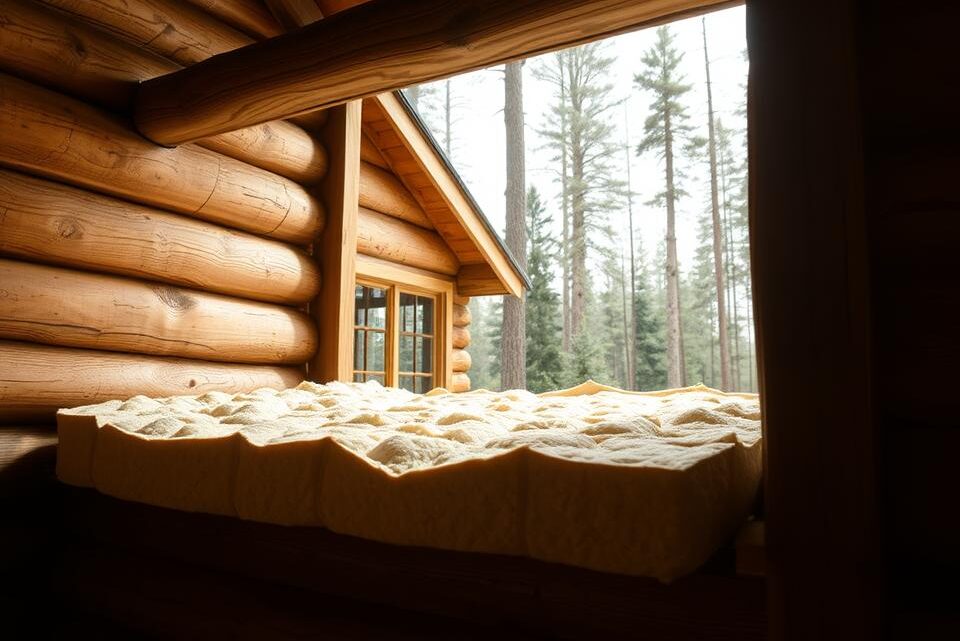
A snug log cabin depends on material that keeps warmth indoors and stops draughts creeping in. This insulation guide explores smart ways to lock in heat and maintain a cabin’s rustic charm. With the right log cabin insulation, you can enjoy a cosy haven throughout the year.
Our goal is to simplify the process of choosing materials and methods. We touch on heating tips that suit different budgets and climate conditions, so your timber home feels comfortable and efficient.
Inhaltsverzeichnis
Key Takeaways
- Insulation stops energy losses in timber structures
- Quality materials boost overall cabin comfort
- Knowing R-value guides smarter purchases
- Protecting wood logs safeguards rustic features
- Proper insulation lowers long-term heating costs
- Breathable layers aid moisture control
Understanding the Importance of Proper Cabin Insulation
Maintaining good insulation is vital for preserving energy efficiency in a log cabin. Wooden walls exude rustic charm, yet they can allow warmth to escape if left unprotected. A well-insulated structure helps minimise heat loss and keeps utility expenses under control. Careful planning makes it easier to enjoy a cosy living space while reducing the need for excessive heating in damp and chilly conditions.
Investing in quality insulation safeguards cabin winter warmth, creating a comfortable indoor environment on frosty evenings. It also holds tremendous value during hotter spells when excessive heat can disrupt your daily routine. By enhancing the building’s thermal envelope, it becomes simpler to maintain a balanced temperature and limit unwanted drafts.
Reducing Heat Loss Through Log Walls
Timber construction often experiences conduction, meaning heat transfers through the timber itself. Strategic layers of insulation curtaining these walls help contain that warmth. Strong insulating products improve energy efficiency and bolster indoor comfort, especially in the face of unpredictable British weather.
Maintaining Indoor Comfort All Year
Insulated cabins remain cool in summer and toasty in winter. This leads to lower stress on air conditioning and heating systems, cutting costs and environmental impact. Fitting insulation returns consistent comfort levels for every season, no matter the outdoor temperature.
Common Types of Insulation Materials
Log cabins can benefit from a range of material choices that suit different budgets and lifestyles. Fibreglass insulation comes in batts or rolls that fit snugly between wall studs and floor joists. It is popular for its availability and straightforward installation. Spray foam insulation expands to fill gaps, reducing air leaks that can undermine thermal performance.
Some householders prefer cellulose due to its eco-friendly origins. The shredded newspaper fibres help slow heat transfer. Natural wool is another choice that offers moisture management and breathability. Each insulation type has unique properties, so selecting the right option depends on local climate and desired energy savings.

Below is a quick comparison:
| Material | Advantages | Considerations |
|---|---|---|
| Fibreglass | Cost-effective, easy to install | Requires careful handling |
| Spray Foam | Air-sealing, high R-value | Higher investment |
| Cellulose | Recycled content, natural | May settle over time |
| Wool | Breathable, renewable | Can cost more initially |
Choosing the Right Insulation for Log Cabin Walls
Building a cosy retreat starts with careful consideration of your cabin’s thermal needs. The walls serve as a vital shield against cold winters and sweltering summers. A thoughtful approach to insulation helps ensure stable indoor temperatures and protects the charm of traditional timber construction.
Insulating log walls involves more than picking a random material. Factors such as R-value, insulation thickness, and compatibility with wooden surfaces all influence overall performance. Wool insulation has gained attention for its renewable sourcing, yet other choices remain on the market for those seeking different benefits.
Comparing Fibreglass, Wool, and Foam
Each material has a distinct profile. Fibreglass is a familiar option from brands like Knauf. Wool insulation by providers such as Thermafleece offers natural breathability and reduced environmental impact. Spray foam products, including varieties from Kingspan, often excel in tight spaces where a seamless layer is essential. A quick comparison can highlight key points:
| Material | Key Benefit | Brand Example |
|---|---|---|
| Fibreglass | Cost-effective and widely available | Knauf |
| Wool | Eco-friendly and breathable | Thermafleece |
| Foam | Superior sealing against air leaks | Kingspan |
Some prefer fibreglass for its user-friendly installation. Others value the sustainability of wool or the robust coverage that foam can provide. Matching the right choice to your priorities is key.
Balancing R-Value and Thickness
A high R-value indicates strong resistance to heat flow, but layering up too many inches can interfere with tight interior spaces. Fine-tuning insulation thickness means weighing your climate conditions, energy costs, and aesthetic preferences. Ensuring the final design remains functional and comfortable keeps you warm in winter and cool in summer, all while preserving the heart of a classic log cabin.
Laid out carefully, a well-insulated log cabin can truly transform the living experience. This approach helps you enjoy modern comfort without sacrificing the warm textures and timeless feel of your wooden haven.
Assessing Regional Climate Factors
Sub-zero winters, frequent showers, or humid coastal breezes can each affect how you select insulation for log cabin walls. Certain areas of the United Kingdom experience heavy rainfall, while others stay drier but face significant temperature drops at night. These conditions call for careful climate considerations to keep indoor spaces snug and protected from moisture.
Local building regulations may demand specific insulation ratings or moisture barriers, especially in regions prone to dampness or strong winds. Checking guidance from official sources ensures your cabin meets safety standards and sustains a healthy environment. Proper planning also reduces the risk of condensation, which can lead to wood decay. By weighing these factors, you create a lasting retreat that maintains warmth in cooler months and stays comfortable when the sun appears. A thoughtful approach to insulation for log cabin craftsmanship allows your getaway to thrive in any UK setting.
Avoiding Condensation and Moisture Issues
Moisture can weaken logs and reduce indoor comfort. Strong condensation management keeps cabins dry and preserves timber strength. Controlling dampness starts with targeted steps that keep walls free of trapped water.

Understanding the Vapour Barrier
One vital tool for controlling dampness is a vapour barrier. It restricts the flow of moisture into hidden spaces, reducing the chance of rot. Sealing edges around windows and doors forms a tight defence. This barrier helps your cabin maintain warmth, even in chilly weather.
Selecting Breathable Insulation Layers
Another method for protecting logs involves breathable insulation. Proper layers hold heat but allow water vapour to disperse. Rockwool or Kingspan products offer solutions that keep walls dry without blocking airflow. This strategy enables timbers to stay strong and healthier for many seasons to come.
Preserving the Rustic Character of Your Log Cabin
Many owners wish to keep that timeless vibe while improving their home’s energy performance. A thoughtful approach to insulation can boost comfort without hiding the warmth of solid logs. Achieving this balance is possible with methods that respect every curve and grain.
Keeping the Cabin’s Natural Appearance
Wood textures often define a room’s appeal, so focus on adding subtle layers that match the existing rustic design. Some people prefer hidden exterior insulation, tucking everything behind cladding that complements the logs. Others choose interior applications enhanced with trim that blends with the original wood, creating a cosy atmosphere.

Integrating Insulation with Existing Timber
Each timber cabin has unique details. Insulation systems can be applied in ways that accommodate beams and log accents. Strategies include precise cutting around edges or spray foam that contours to uneven surfaces. This preserves continuity with the cabin’s organic lines.
| Insulation Method | Key Factor |
|---|---|
| Exterior Panels | Retains natural interior feel |
| Interior Boards | Complements log textures |
| Targeted Spray Foam | Fills gaps around beams |
The Role of Roof Insulation
Heat can escape swiftly through an unprotected ceiling. Good roof insulation helps stop this loss and can conserve energy for those seeking a more cost-effective way to keep their log cabin cosy. Materials such as rigid foam boards or specialised batts fit snugly between rafters. Ventilation still matters, since air circulation prevents dampness. Placing a breathable underlay and leaving a small gap can protect against trapped moisture.

Installation can be approached step by step. It is wise to cover all edges, seal tiny crevices, and ensure that each layer is properly fitted. A thorough plan will shield the interior from the chill of winter and the heat of summer. Dense layers at the top work in tandem with the log walls, improving the cabin’s efficiency. This type of protection supports a balanced indoor climate and helps prolong the life of the timber beneath.
Eco-Friendly Insulation Options
Many owners embrace eco-friendly insulation made from renewable resources. Sheep’s wool and cellulose from recycled paper often top the list of popular choices. They insulate well, help reduce carbon footprints, and pair beautifully with the cabin’s rustic charm.
Hemp-based solutions are another form of natural insulation. They bring reliable performance and reduced environmental impact. Each fibre traps heat effectively and blends into the wooden structure, preserving the cosy feel of the interior.
“Energy Saving Trust highlights that switching to sustainable materials minimises energy consumption while supporting healthier indoor air quality.”
These methods keep an eye on eco-friendly practices without compromising comfort. They also align with the timeless style of log cabins, ensuring a home that remains warm and inviting throughout the changing seasons.
What Is the Best Insulation for a Log Cabin
Selecting the right cabin insulation material calls for careful thought. The goal is to balance temperature control, energy savings, and longevity. Each option has unique strengths, and real-world conditions matter. Many owners want relief from summer heat while keeping cosy in winter. Others seek ways to comply with building regulations and meet modern efficiency goals.
How to Evaluate Performance and Cost
Thick foam panels tend to score high on R-value, giving strong thermal protection. Mineral wool stands out for fire resistance. Recycled fibres cut waste and reduce overall expense. Price tags vary, so weigh installation labour against maintenance over time.
Considering Sustainable Alternatives
Straw bales, natural wool, and hemp-based blends address eco-friendly concerns. These materials limit environmental harm. Some choices resist pests, leading to fewer repairs. This leads to a balanced solution for your log retreat.
| Insulation Type | Key Benefit | Drawback |
|---|---|---|
| Foam Board | High R-value | Can be pricier |
| Mineral Wool | Fire-Resistant | Heavier Weight |
| Natural Wool | Eco-Conscious | Potentially Costly |
Tips for Renovating an Existing Cabin
Refreshing an older log cabin calls for care at every step. It helps to maintain the structure’s character while offering improved warmth indoors. Performing routine checks and addressing worn-out components enhance safety and comfort.
Inspecting Old Insulation
Begin by looking for any compromised layers or evidence of moisture within the cabin. Discolouration or a musty smell can signal material that has seen better days. Removing damaged elements and replacing them with fresh products encourages a healthier environment. Some prefer a hands-on approach, which is where DIY insulation becomes beneficial, though consulting a qualified professional remains an option.
Sealing Gaps and Drafts
Airflow through cracks causes temperature loss and discomfort. Use sealants and fillers suited to timber edges, then check doors and windows for loose frames. Pressure testing determines if more gaps exist. Simple renovation tips, like reattaching old panelling and reinforcing joints, keep out breezes without compromising the log cabin’s rustic character.
Conclusion
Proper insulation selection keeps energy costs in check and preserves the cosy feel of a log home. Brands like Rockwool or Kingspan offer options that suit a range of needs, yet every project deserves a thorough review. Think about the climate in your region, the existing timber structure, and the rustic charm you wish to maintain. That balance between warmth, dryness, and aesthetics can transform a traditional space into a snug getaway.
Resistant materials such as wool or modern foam products protect interior comfort against damp British weather. Still, some owners opt for tried-and-tested solutions like Knauf Insulation to stay aligned with eco-friendly goals. Look beyond the simple cost factor and see how your approach impacts the environment and your cabin’s character. Any builder in the UK who assesses these factors can find a strong match for long-term performance. This thoughtful approach assures that your cabin remains inviting, no matter the season.
FAQ
How does insulation improve energy efficiency in a log cabin?
Insulation helps retain warmth by reducing heat loss through timber walls, roofs, and floors. Using materials with a higher R-value, like Kingspan boards or Rockwool batts, can minimise thermal bridging and keep your cabin cosy, even in the UK’s damp climate.
Can I use natural wool insulation to preserve the rustic character of my cabin?
Absolutely! Sheep’s wool insulation, such as Thermafleece, is an eco-friendly option that offers good thermal performance whilst maintaining the hut’s traditional charm. It’s breathable and helps prevent condensation, making it a popular choice to preserve a cabin’s rustic appeal.
What role does a vapour barrier play in preventing dampness?
A vapour barrier forms a protective layer that limits moisture from creeping into the log walls. By installing it correctly behind insulation—whether you choose fibreglass from Knauf or sheep’s wool—you can reduce the risk of mould, rot, and other moisture issues.
How do I assess the best insulation for my region’s climate?
Start by considering your local weather patterns—if you face long, chilly winters, you may need thicker, higher R-value insulation like partially closed-cell foam. In milder coastal climates, lighter insulation with good breathability could suffice, so you maintain comfort without overheating in summer.
Is it possible to upgrade insulation during a renovation?
Yes, you can! When renovating, first inspect old insulation to see if it’s damaged or outdated. Fill any gaps and drafts to achieve a tighter building envelope. Options like Kingspan or Rockwool boards are easy to retrofit and help ensure cost-effectiveness in the long run.
Does roof insulation significantly impact a log cabin’s warmth?
Definitely. Since heat naturally rises, insulating the roof or loft area is vital. You can opt for rigid foam boards or fibreglass batts. Pairing insulation with proper ventilation ensures moisture is controlled and the cabin stays snug year-round.
Are eco-friendly materials effective for reducing heat transfer?
Yes. Eco-friendly insulation like cellulose made from recycled paper or hemp-based products offer strong thermal performance and help cut your carbon footprint. These natural materials are not only breathable but also promote a healthier indoor environment.